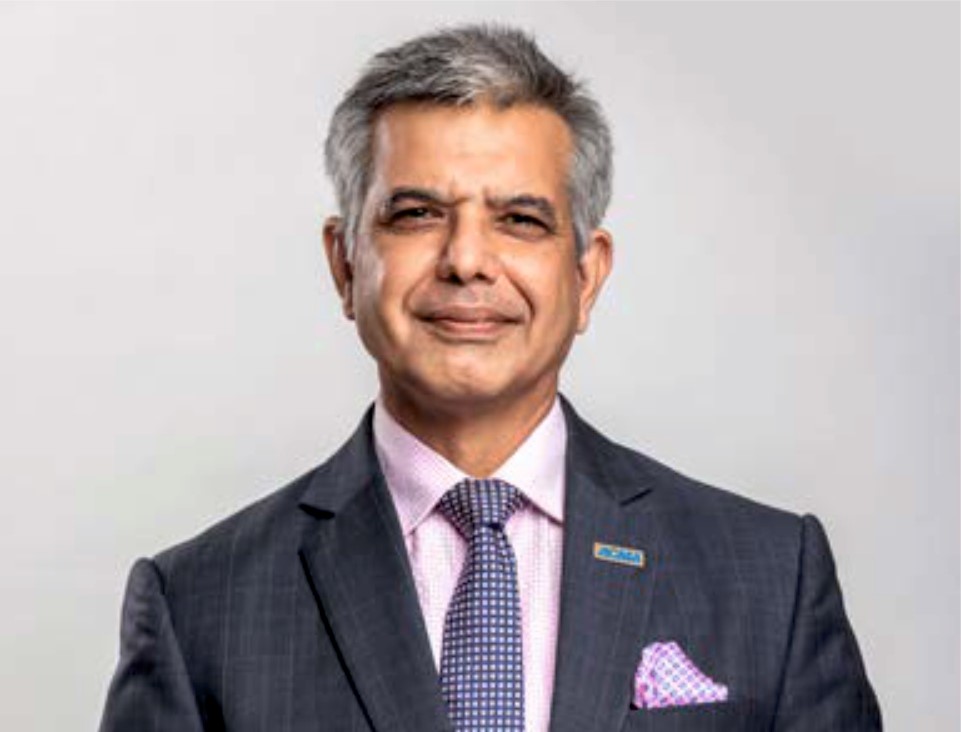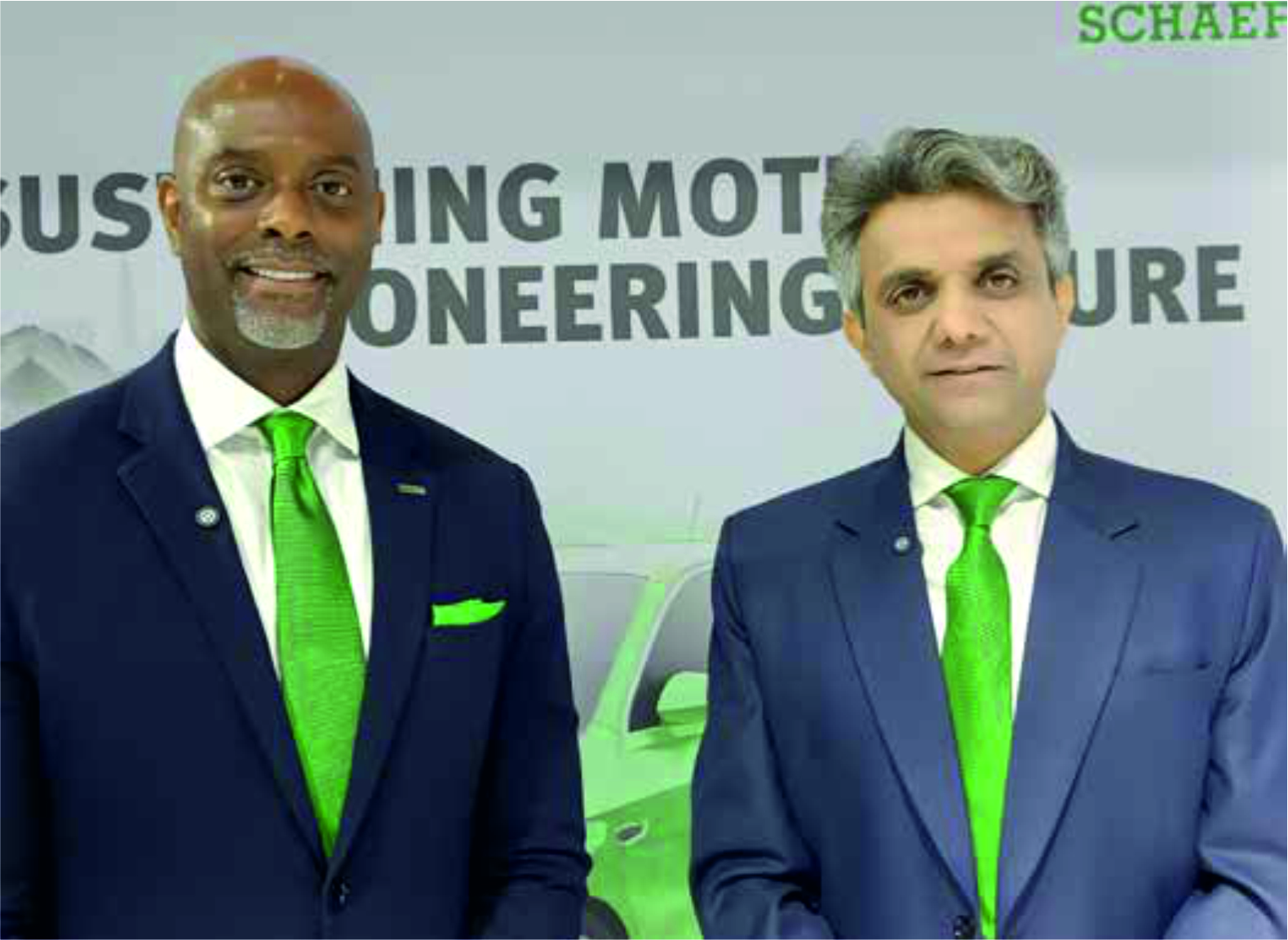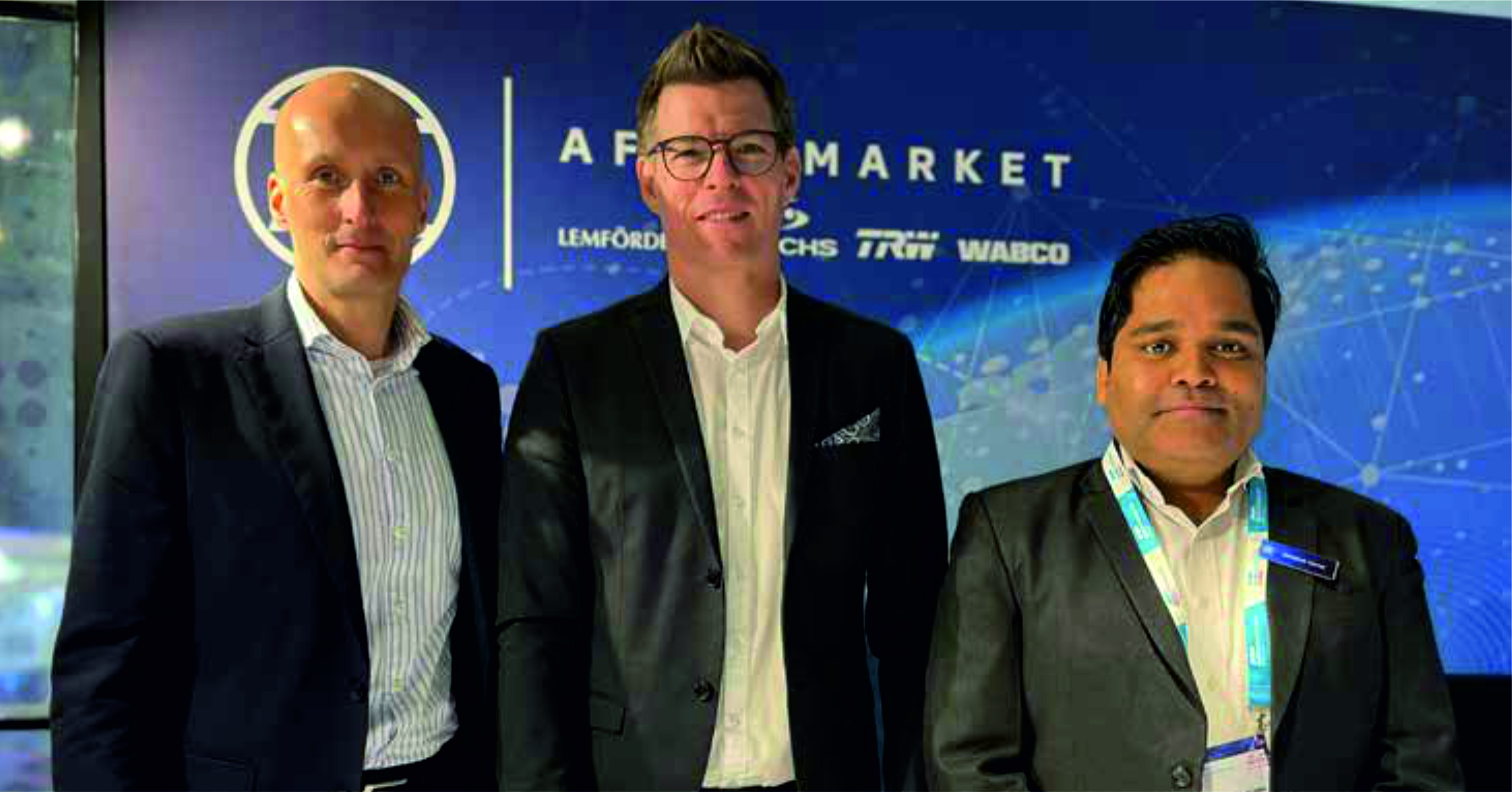
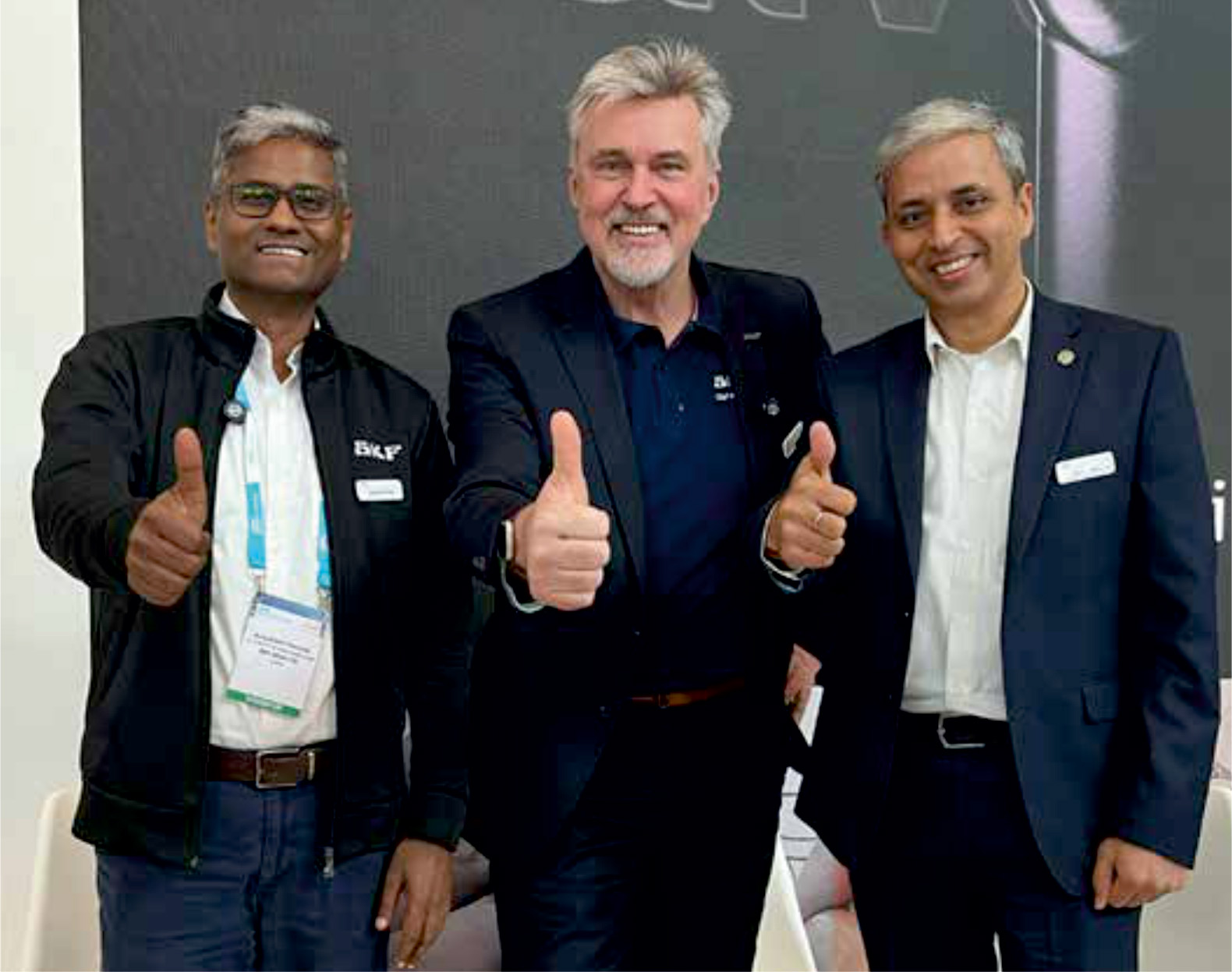
(From left) Alagesan Thasari, Director & Head of Automotive Business - India & South East Asia, Global Tech Centre India, SKF India: Olaf Henning, President Global Vehicle Aftermarket, SKF GmbH; and Gaurava Mishra, VP-Vehicle Aftermarket, SKF India
For over a century, SKF GmbH has been the silent architect of global mobility, keeping engines spinning and wheels rolling with precision-engineered bearings and seals. However, as the automotive landscape undergoes its most radical shift since the invention of the assembly line, the company isn’t just watching the change it is driving it.
The “Agnostic” Approach to Innovation
In a market currently torn between internal combustion engines (ICE), hybrids, electric vehicles (EVs), and nascent hydrogen technology, many suppliers feel pressured to choose a side. SKF is taking a different route. During a recent interaction with MOTORINDIA, Mr. Olaf Henning, President – Global Vehicle Aftermarket, SKF GmbH, emphasized that the company’s core technology remains “drivetrain agnostic.”
“Whether it’s an ICE engine, a hybrid setup, a full EV, or a futuristic hydrogen powertrain, SKF’s components continue doing what they’ve always done: keeping vehicles moving efficiently and safely,” Henning stated. For SKF, the shift to electrification isn’t a disruption of their business model, but rather a sophisticated evolution of their 100-year expertise.
Efficiency: The New Currency of the EV Era
While the mechanical principles remain the same, the stakes for precision have never been higher. In the world of EVs, every bit of friction is an enemy of range. SKF has realized that superior bearing design can translate directly into extra kilometers for the end-user.
To support Original Equipment Manufacturers (OEMs) who are redesigning powertrains for more compact layouts, SKF is focusing on:
- Lower Friction: Reducing energy loss to maximize battery life.
- Quieter NVH (Noise, Vibration, Harshness) Performance: Crucial for EVs where engine noise no longer masks mechanical sounds.
- Sustainability: Reducing CO2 footprints and lowering the total cost of ownership for fleet operators and individual owners alike.
Bridging the Knowledge Gap in India
The transformation isn’t just happening under the hood; it’s happening in the workshop. In India, the rapid influx of premium components and complex electronics has created a “knowledge gap” for local technicians.
Mr. Alagesan Thasari, Director & Head of Automotive Business (India & Southeast Asia), noted that as India aligns more closely with global standards, the demand for high-end, reliable components is skyrocketing. However, Mr. Gaurava Mishra, VP – Vehicle Aftermarket, SKF India, pointed out that hardware is only half the battle.
“Many workshops simply haven’t seen the latest technologies in action,” Mishra explained. To ensure no mechanic is left behind, SKF is pivoting toward a comprehensive support ecosystem. This includes:
- Technical Training: Moving beyond simple manuals to online tutorials and hands-on workshops.
- Specialized Tools: Providing the precise equipment needed for remote diagnostics and EV safety protocols.
- Simplified Processes: Creating clear workflows to help technicians navigate complex hybrid and electric repairs with confidence.
As the industry moves toward a greener, more connected future, SKF’s strategy is clear: provide the high-performance parts the vehicles need, and the high-performance knowledge the people need.
For more info:
www.skf.com