In the world of advanced manufacturing, attention often gravitates toward cutting-edge automation, intelligent software, and sophisticated machinery. Yet, hidden deep within countless industrial systems lies a component whose impact far exceeds its size: the precision steel ball. From automotive assemblies and aerospace mechanisms to medical devices and industrial bearings, these tiny spheres are quietly enabling the performance, reliability, and safety that modern industries demand.
Precision has become the defining requirement of modern manufacturing. As industries strive for higher efficiency, longer equipment life, and near-zero downtime, every component within a system must perform flawlessly. Among the most critical yet least visible of these components are precision steel balls, which serve as the foundation for smooth motion, reduced friction, and dependable operation across a vast range of applications.
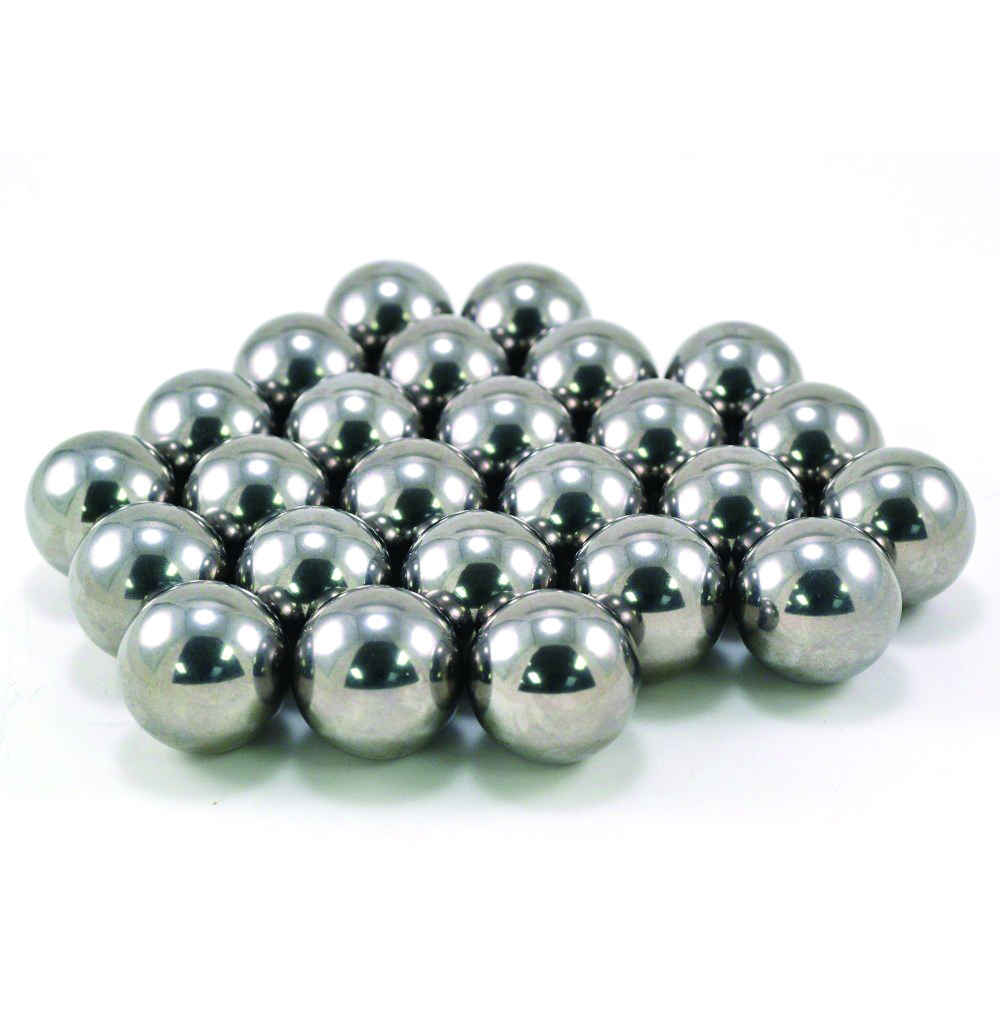
Despite their simple appearance, precision steel balls are engineering products manufactured to extraordinarily tight tolerances. They are commonly used in bearings, steering systems, pumps, valves, aerospace assemblies, medical instruments, pharmaceutical equipment, and numerous other industrial applications. Their role is essential: enabling accurate movement, minimizing wear, and maintaining operational stability under demanding conditions.
The importance of precision becomes evident when considering the tolerances involved. A deviation of only a few microns in diameter, roundness, surface finish, or hardness can significantly affect performance. Even minor inconsistencies may lead to increased friction, excessive vibration, noise generation, premature wear, or, in critical environments, complete system failure. For industries where safety and reliability are paramount, such as aerospace, automotive, and healthcare, these risks are simply unacceptable.
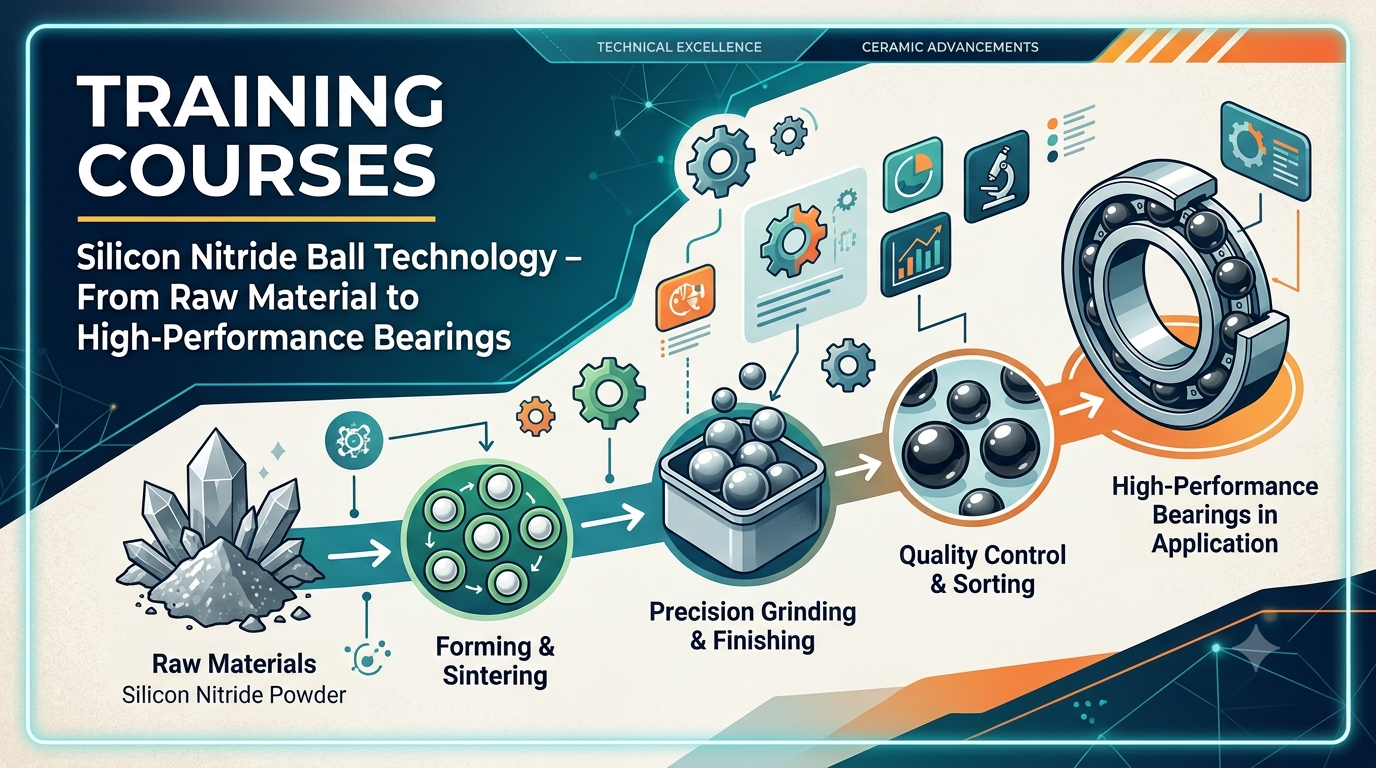
As a result, manufacturers across the globe are placing greater emphasis on quality assurance and process control. Precision steel ball production today involves a series of highly controlled stages, including raw material selection, heat treatment, grinding, lapping, polishing, inspection, and packaging. Each step is carefully monitored to ensure consistency and compliance with stringent industry standards.
The growing focus on traceability has further elevated manufacturing expectations. Customers increasingly seek assurance that every component can be tracked through its production journey, from raw material sourcing to final inspection. This level of transparency not only supports quality management but also strengthens confidence in long-term product performance.
A practical example of this commitment to excellence can be seen in the approach adopted by companies such as Tolia Industries. Recognizing that precision extends beyond machinery, the company emphasizes disciplined manufacturing processes and continuous improvement initiatives. In response to customer feedback from a recent application, additional inspection and sorting procedures were introduced to further strengthen product consistency and reliability. The result was enhanced quality assurance and greater customer confidence in long-term supply performance.
This experience reflects a broader lesson for the manufacturing sector: precision is not achieved solely through advanced equipment. It is the outcome of rigorous process control, skilled expertise, quality-focused culture, and an ongoing commitment to improvement.
Looking ahead, the role of precision steel balls will become even more critical as manufacturing technologies continue to evolve. With increasing demands for efficiency, sustainability, and reliability, the margin for component failure is rapidly shrinking. While these small components may remain hidden from sight, their contribution to industrial performance is more important than ever.In today’s competitive landscape, precision is no longer a premium feature it is a fundamental expectation. And in that pursuit of perfection, precision steel balls continue to prove that even the smallest components can have the greatest impact.
For more info:
www.tolia.com