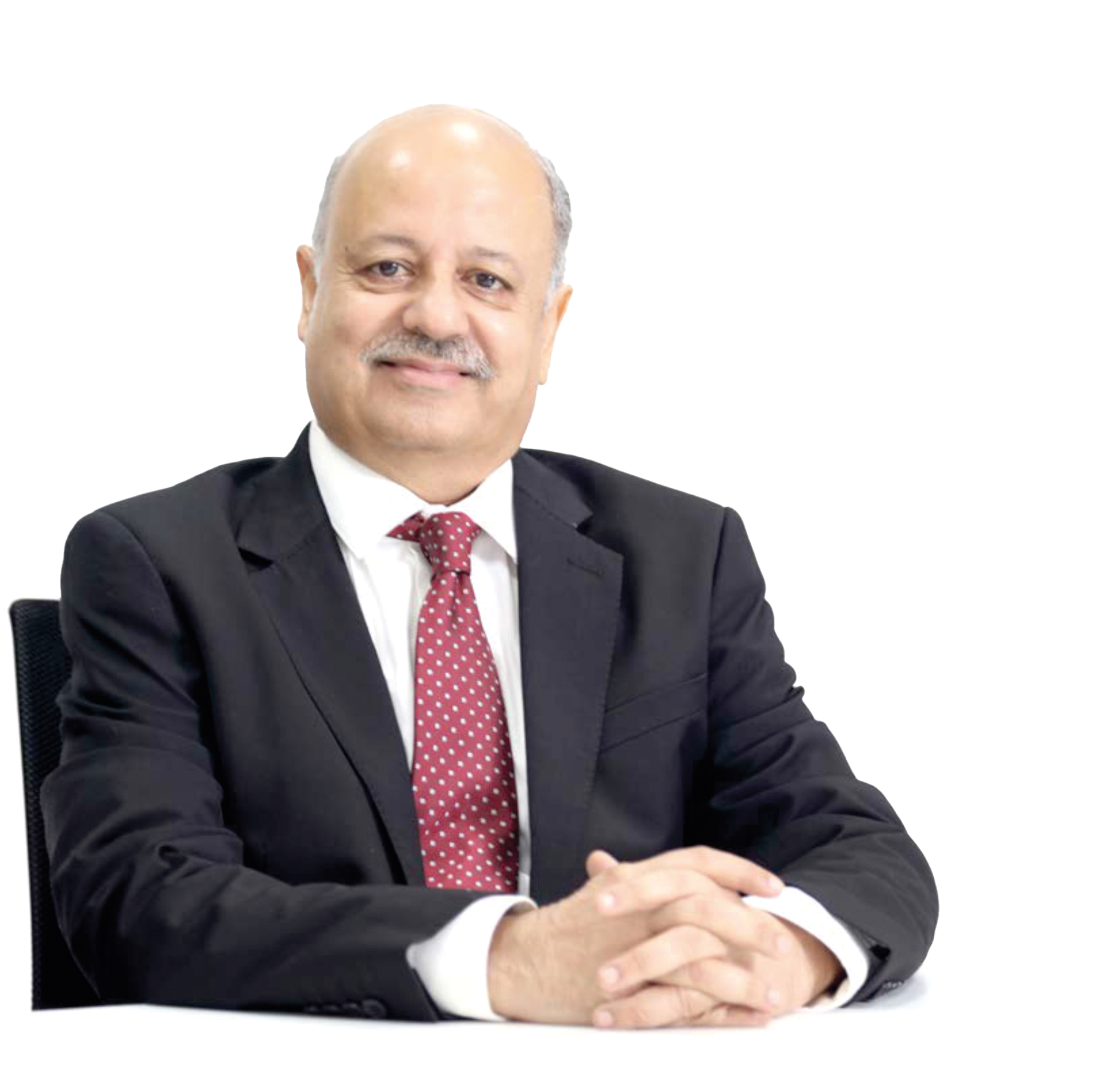

Vikrampati Singhania,
ACMA President
The Automotive Component Manufacturers Association of India (ACMA) has unveiled its Industry Performance Review for the first half of the 2025-26 fiscal year, signaling a robust trajectory for the nation’s automotive ecosystem despite a complex global landscape.
The Indian auto component industry continues to demonstrate remarkable resilience, posting a 6.8% year-on-year growth in the first half of FY 2025-26 (April–September 2025). According to the latest findings from ACMA, the industry’s total turnover reached ₹3.56 lakh crore (USD 41.2 billion), fueled by steady domestic demand, a thriving aftermarket, and strategic investments in localization and technology upgrades.
Domestic Dominance and Aftermarket Strength
A significant driver of this growth was the supply to vehicle manufacturers (OEMs), which grew by 7.3% to reach ₹3.04 lakh crore. This surge was primarily led by the passenger vehicle and light commercial vehicle segments. Simultaneously, the aftermarket segment outperformed expectations, growing by 9% to ₹53,160 crore. Experts attribute this “stronger performance” to a growing vehicle population on Indian roads and a shift toward organized service channels and formal repair activities.
The Trade Dynamic: Exports vs. Imports
On the international front, Indian auto component exports grew by 9.3%, totaling $12.1 billion. The United States and Germany remain the top destinations for Indian-made parts, even as demand in other global markets fluctuates. However, the report also highlighted a widening trade deficit. Imports grew at a faster pace of 12.5% to reach $12.3 billion, resulting in a marginal trade deficit of $180 million a shift from the $150 million surplus recorded in the same period last year.
Vinnie Mehta, Director General of ACMA, noted that while the export momentum is healthy, the rising import growth serves as a “call to action” for the industry to double down on deeper localization and capacity expansion.

Sriram Viji,
President-Designate, ACMA
EV Transition and Future Outlook
The shift toward sustainable mobility is becoming more visible in the balance sheets. Electric vehicles (EVs) now account for 4.6% of total supplies to OEMs, reflecting a steady, albeit gradual, transition toward new-age mobility technologies.
Looking ahead, Shri Vikrampati Singhania, President of ACMA and Managing Director of JK Fenner (India) Ltd., expressed optimism for the second half of FY26. He cited improved retail sentiment, seasonal demand, and potential GST reductions on specific vehicle categories as primary catalysts. “The industry is preparing for the next phase of growth through closer stakeholder collaboration,” Singhania stated.
Navigating Headwinds
Despite the positive numbers, leadership remains cautious. Sriram Viji, President-Designate of ACMA and Managing Director of Brakes India Pvt Ltd., warned that the operating environment is still shadowed by geopolitical uncertainties and supply-chain disruptions. Viji emphasized that securing critical raw materials particularly rare-earth magnets for EV motors and building supply-chain resilience will be the defining challenges for sustaining long-term growth in the years to come.