
Manoj Gupta
Head-Branding & Communications
National Engineering Industries Ltd.
Bearings may be among the most overlooked components in modern industry, yet they remain indispensable to the performance of machines across every sector. From electric vehicles and wind turbines to industrial automation systems and precision medical equipment, bearings enable motion, efficiency, and reliability. As industries embrace digital transformation, sustainability, and advanced manufacturing, the bearing sector is entering a decade of unprecedented evolution. The years between 2025 and 2035 will not simply witness improvements in bearing performance they will redefine the role bearings play within the industrial ecosystem.
The bearing industry is entering one of the most dynamic periods in its history. Traditionally viewed as mechanical components designed to reduce friction and support rotating equipment, bearings are now evolving into advanced engineering solutions that contribute directly to productivity, efficiency, and machine intelligence. As industries worldwide pursue automation, energy efficiency, and operational reliability, demand for high-performance bearings continues to grow across multiple sectors
One of the most significant developments shaping the industry is the rise of smart bearings. Equipped with embedded sensors, these next-generation components can monitor parameters such as temperature, vibration, speed, and load in real time. By providing continuous operational data, smart bearings enable predictive maintenance strategies that help manufacturers reduce unexpected downtime, extend equipment life, and optimize maintenance schedules. This shift from reactive to predictive maintenance is becoming increasingly important in modern factories and critical infrastructure applications.
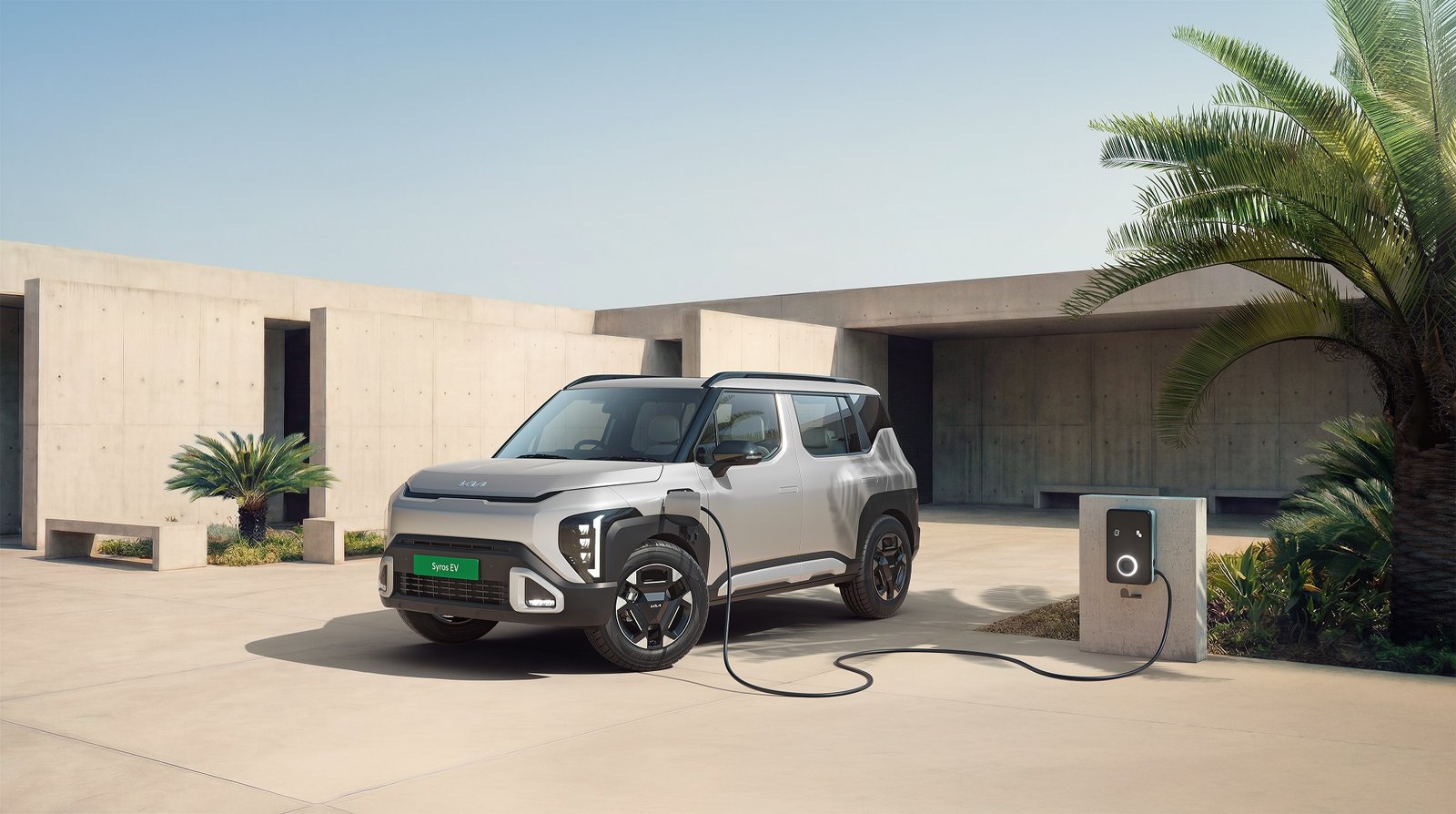
Electrification is another major growth driver. The rapid expansion of electric vehicles is creating demand for bearings capable of operating at higher rotational speeds while maintaining low noise levels and superior efficiency. Unlike conventional automotive applications, electric drivetrains require specialized bearing designs that can withstand unique operating conditions. As EV adoption accelerates globally, bearing manufacturers are investing heavily in research and development to meet these evolving requirements.
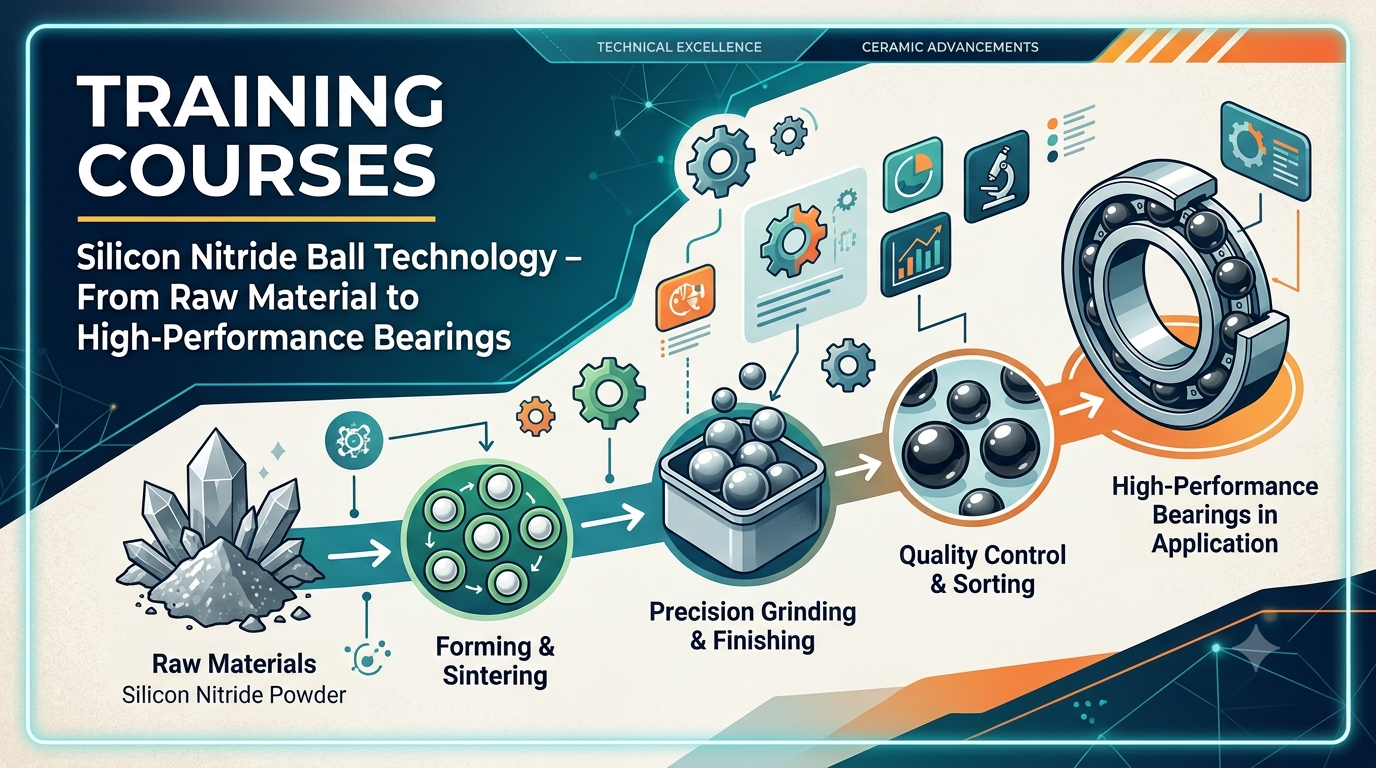
Sustainability has also become a central focus for the industry. Manufacturers are exploring innovative materials, environmentally friendly lubricants, and energy-efficient production methods to reduce their environmental footprint. The use of recycled steel, ceramic hybrid bearings, and advanced lubrication technologies is helping companies improve performance while supporting broader sustainability goals. At the same time, remanufacturing and refurbishment programs are gaining traction as businesses seek to extend product life cycles and reduce waste.
Renewable energy applications are creating additional opportunities. Wind turbines, solar tracking systems, and other clean energy technologies rely on highly durable bearings capable of operating under demanding conditions for extended periods. These applications require exceptional reliability, driving continuous innovation in material science and bearing design.
As industries continue to modernize, bearings are becoming more than just mechanical components. They are evolving into intelligent, high-value assets that support efficiency, sustainability, and digital transformation. The manufacturers that embrace innovation, invest in advanced technologies, and prioritize quality will be best positioned to lead the next chapter of growth in the global bearing industry.