In the vast and intricate world of industrial machinery, where efficiency, durability, and precision define success, bearings play a silent yet indispensable role. Often overlooked, these small components are the backbone of motion reducing friction, supporting loads, and ensuring seamless performance across industries. As global manufacturing evolves with automation, sustainability, and high-performance demands, the bearing industry is undergoing a transformation of its own. Today, innovation in bearing technology is not just about longevity it’s about enabling smarter, faster, and more reliable machinery.
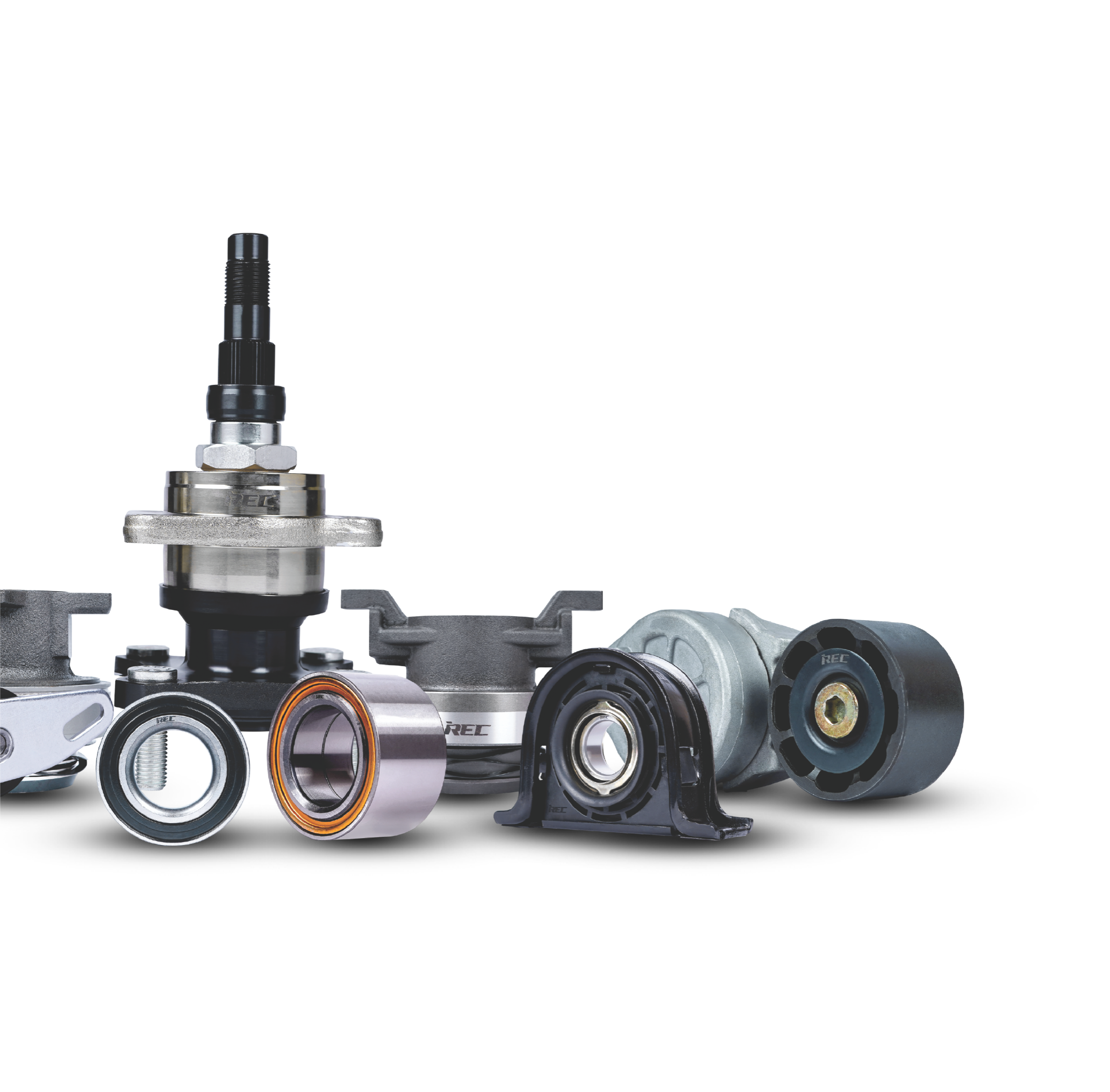
From automotive and agriculture to heavy engineering and industrial equipment, bearings are at the core of every rotating system. Their primary function may seem simple—facilitating smooth motion—but the complexity behind their design and manufacturing is immense. Modern applications demand bearings that can withstand extreme temperatures, heavy loads, high speeds, and challenging environments, all while maintaining precision and efficiency.
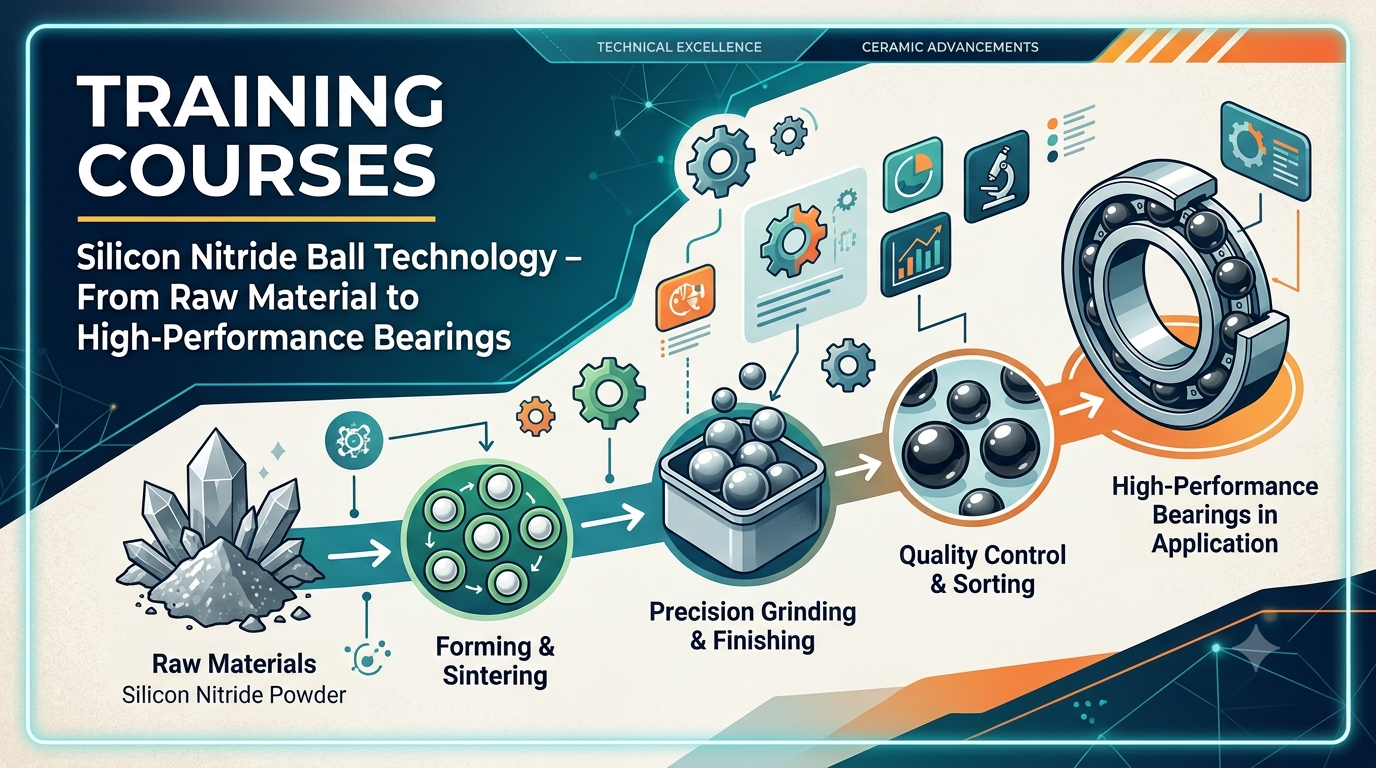
One of the most significant shifts in the bearing industry is the move toward advanced materials and engineering techniques. High-grade steel, ceramic hybrids, and specialized coatings are increasingly being used to enhance durability and reduce wear. These innovations not only extend product life but also minimize maintenance requirements, leading to lower operational costs for end users.
Another key trend is the integration of smart technologies. With the rise of Industry 4.0, bearings are no longer just mechanical components they are becoming intelligent systems. Sensors embedded within bearings can monitor temperature, vibration, and load conditions in real time, providing valuable data that helps predict failures before they occur. This predictive maintenance capability is revolutionizing how industries manage downtime and optimize performance.
Sustainability is also shaping the future of bearing manufacturing. Companies are focusing on energy-efficient designs that reduce friction and power consumption. Additionally, environmentally friendly production processes and recyclable materials are gaining importance as industries strive to meet global sustainability goals. Bearings that contribute to energy savings in machinery indirectly play a role in reducing carbon footprints across sectors.

Customization has emerged as another critical factor. Different industries have unique requirements, and standardized solutions are often not enough. Manufacturers are increasingly offering tailored bearing solutions designed for specific applications, whether it’s high-load capacity for construction equipment or corrosion resistance for marine environments. This customer-centric approach is driving innovation and strengthening partnerships between manufacturers and end users.
Quality assurance and precision manufacturing remain at the heart of the industry. Advanced testing methods, stringent quality controls, and adherence to international standards ensure that bearings perform reliably even in the most demanding conditions. In a world where machinery failure can lead to significant financial losses, the importance of consistent quality cannot be overstated.
As industries continue to evolve, the demand for high-performance bearings will only grow. Whether it’s enabling electric vehicles, supporting renewable energy systems, or enhancing automation in factories, bearings will remain a critical enabler of progress. The future belongs to manufacturers who can combine engineering excellence with innovation, delivering products that not only meet today’s needs but anticipate tomorrow’s challenges.
In essence, bearings may be small in size, but their impact on the industrial ecosystem is enormous quietly driving the machines that power the world.
For More Info:
www.recbearings.com