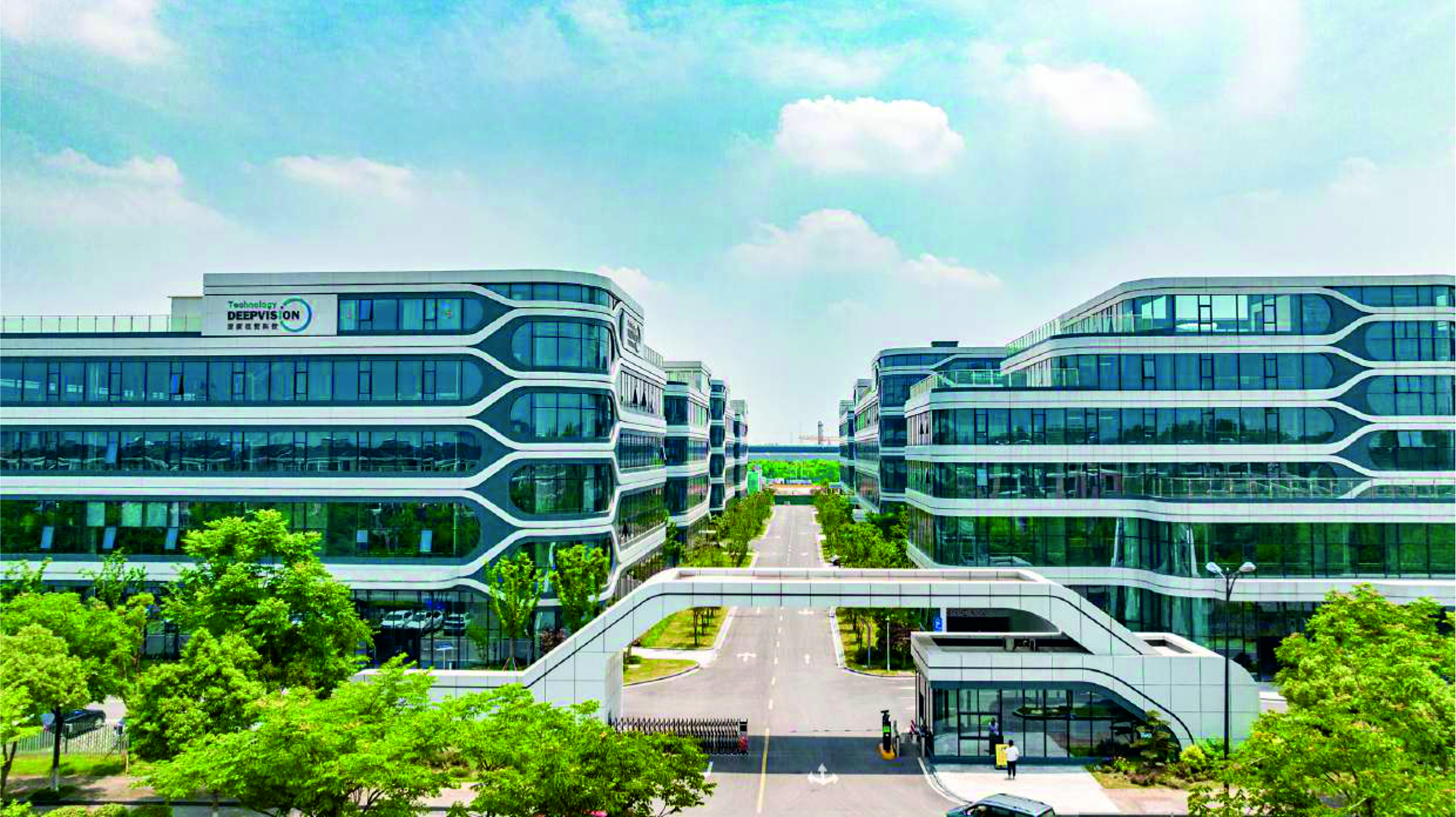
As global manufacturing moves toward zero-defect production and smarter quality assurance, artificial intelligence is transforming how industries inspect and validate precision components. DeepVision is emerging as a key technology innovator, delivering advanced AI-powered surface inspection solutions that help bearing, automotive, and precision engineering manufacturers achieve higher quality, greater efficiency, and stronger global competitiveness.
The manufacturing landscape is undergoing a profound transformation. Across industries ranging from automotive and bearings to precision engineering and industrial components, customers are demanding higher quality standards, complete traceability, and flawless product performance. In response, manufacturers worldwide are investing heavily in automation technologies that can deliver consistent quality while maintaining high production speeds.
One of the most critical areas of this transformation is surface inspection. Even the smallest defect on a bearing roller, ring, gear, or precision-machined component can lead to premature failure, reduced performance, and costly warranty claims. Traditional inspection methods, which often depend on human operators, are increasingly struggling to keep pace with modern production requirements.
Manual inspection introduces several challenges. Variations in operator judgment, fatigue during long production shifts, and the difficulty of identifying microscopic defects can all impact inspection reliability. At the same time, production lines continue to operate at higher speeds, leaving less time for detailed human evaluation. These factors have accelerated the adoption of intelligent automated inspection systems across advanced manufacturing sectors.
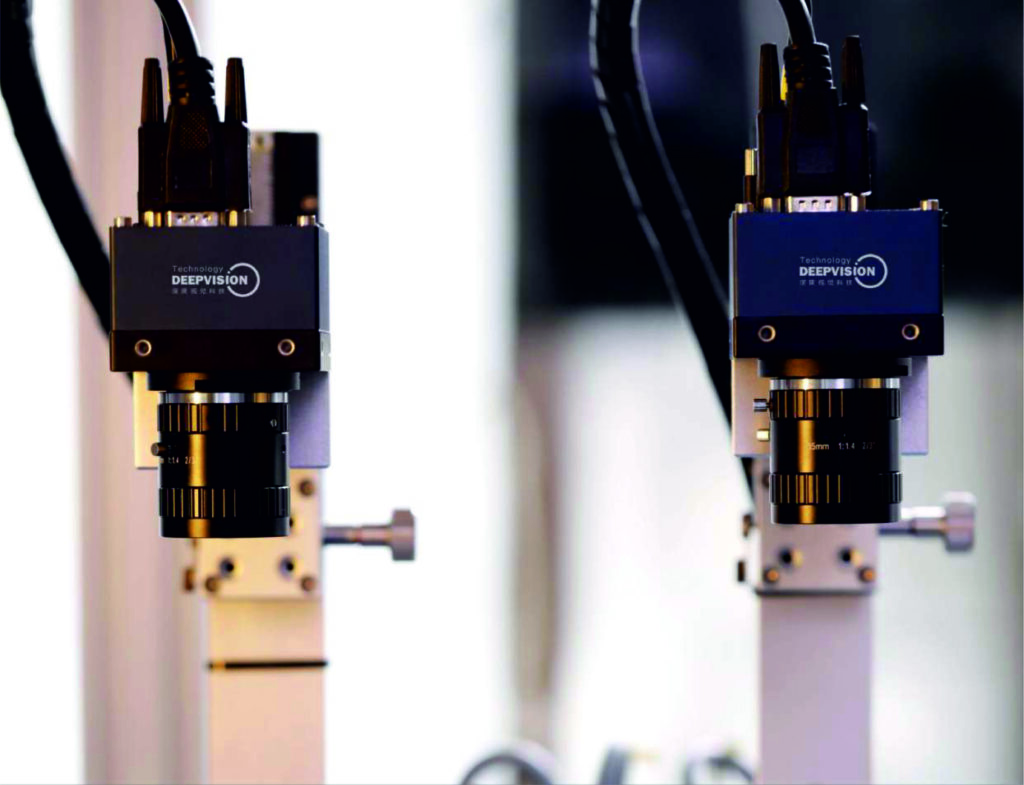
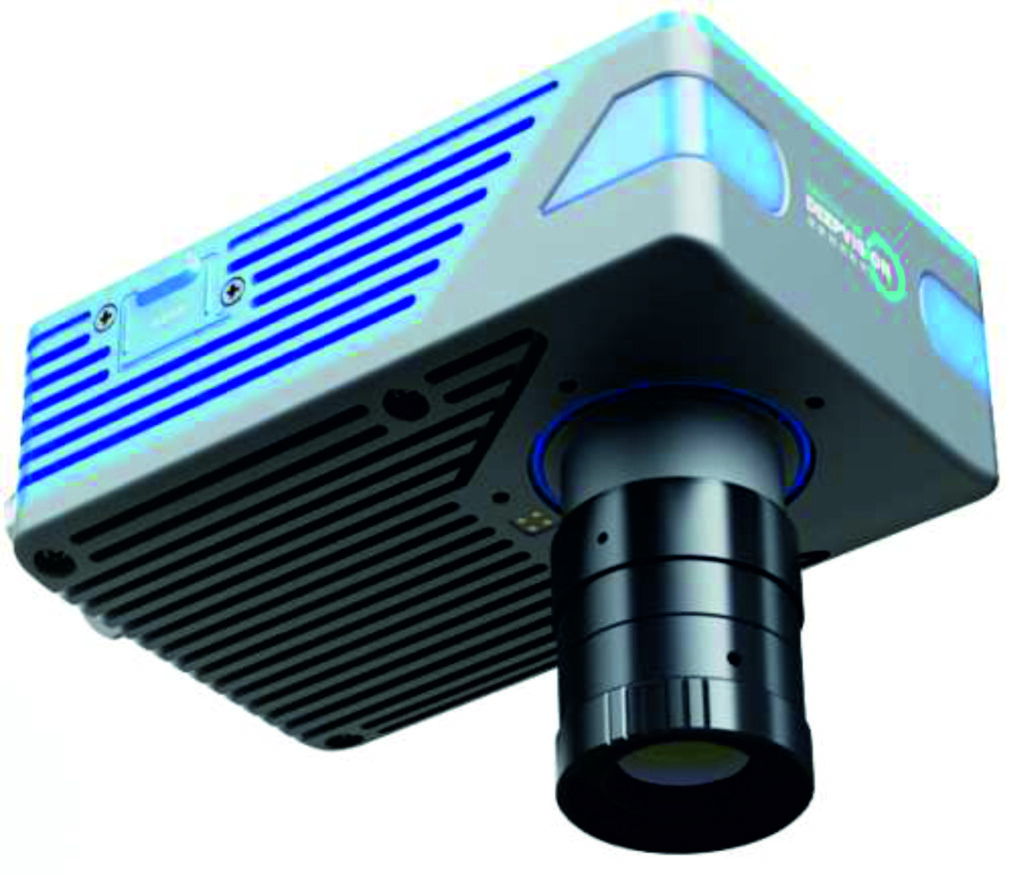
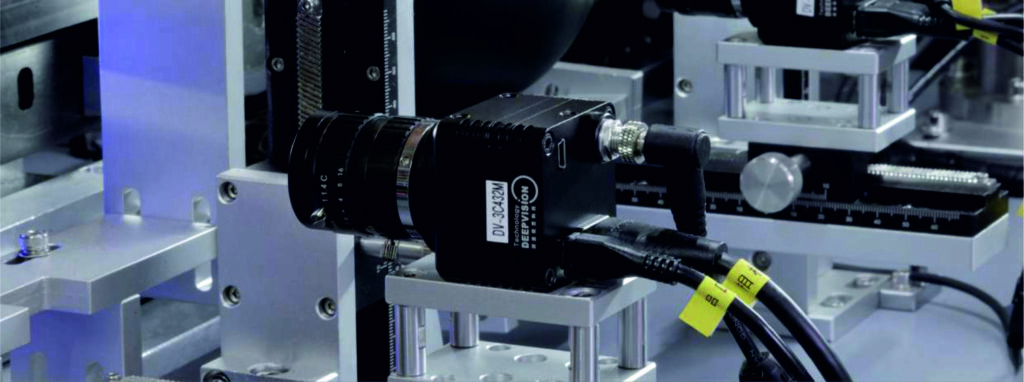
DeepVision is positioning itself at the forefront of this technological shift. The company has developed a new generation of intelligent surface inspection solutions specifically designed for high-speed precision manufacturing environments. By integrating advanced optics, intelligent cameras, distributed computing, AI-driven defect classification, and automated sorting mechanisms into a single platform, DeepVision offers manufacturers a comprehensive approach to quality assurance.
The importance of effective surface inspection cannot be overstated. Components used in bearings and automotive assemblies are subject to extreme operating conditions, where even minor imperfections can compromise reliability. Common defects such as grinding burns, scratches, cracks, rust spots, dents, pitting, burrs, chamfer irregularities, and dimensional inconsistencies can significantly affect product performance and service life.
What differentiates modern AI-powered inspection systems from conventional machine vision technologies is their ability to detect highly complex defect patterns. DeepVision’s solutions are engineered to identify challenging anomalies including micro-cracks, resonance vibration marks caused by grinding instability, deep pits, edge defects, and intricate surface irregularities. These defects are often difficult to detect consistently using traditional inspection methods, particularly at high production speeds.
At the core of the system lies a sophisticated inspection architecture. Components are precisely positioned and guided through multiple inspection stations equipped with specialized lighting arrangements and high-speed imaging technology. Different lighting techniques reveal different surface characteristics, allowing defects to be captured with exceptional clarity. Images are then processed using a combination of conventional computer vision algorithms, image enhancement tools, pattern recognition techniques, and advanced AI models.
This layered approach delivers a major advantage. Rather than relying solely on artificial intelligence or traditional vision algorithms, DeepVision combines both technologies to improve detection accuracy while reducing false rejections. The result is a more reliable inspection process that can adapt to varying defect patterns and manufacturing conditions.
Another distinguishing feature is the company’s multi-station inspection concept. While earlier inspection systems often relied on a limited number of viewing positions, modern inspection platforms utilize multiple stations to achieve complete surface coverage. This architecture minimizes blind spots, improves defect visibility, and ensures comprehensive 360-degree inspection of critical components. Such capabilities are particularly valuable in high-speed production environments where quality and throughput must be maintained simultaneously.
DeepVision has also invested heavily in intelligent camera technology. Unlike many conventional solutions that depend on standard industrial cameras connected to centralized processing systems, DeepVision develops its own intelligent cameras equipped with built-in processing capabilities. This distributed computing architecture enables faster data handling, improved system stability, simplified maintenance, and greater scalability.
The ability to distribute computational workloads across multiple intelligent nodes provides the processing power required for advanced AI models. As manufacturers increasingly seek to identify subtle and variable defect patterns, these high-performance architectures become essential for maintaining inspection accuracy without compromising production speed.
For manufacturers in India and around the world, the benefits extend beyond defect detection. Advanced inspection systems support stronger customer confidence, improved traceability, reduced dependence on manual inspection, lower rejection rates, and enhanced export competitiveness. As global OEMs continue to raise quality expectations, intelligent inspection technologies are becoming a defining characteristic of world-class manufacturing operations.
DeepVision’s vision aligns closely with the future of industrial production one where artificial intelligence, automation, and precision engineering work together to create smarter, faster, and more reliable manufacturing ecosystems. As industries continue their journey toward Industry 4.0 and beyond, intelligent surface inspection is evolving from a quality-control tool into a strategic manufacturing asset, helping companies meet the demands of an increasingly competitive global market.
For more info :
www.consulting-trading.com