
Often hidden from view yet vital to every moving system, bearings are the unsung heroes of modern engineering. From massive industrial machinery to everyday household appliances, bearings enable smooth, efficient, and reliable motion. Without them, machines would quickly fail, energy would be wasted, and progress would slow.
What Are Bearings?
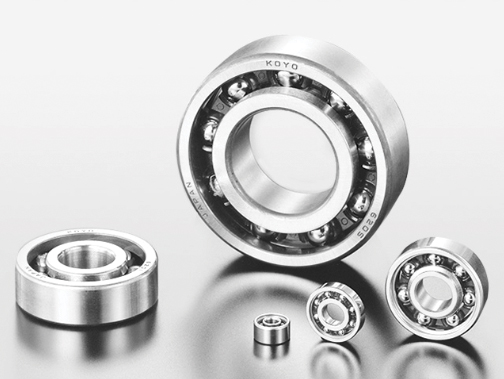
At their most basic level, bearings are mechanical components designed to support rotating shafts and reduce friction between moving parts. Wherever rotation exists—wheels, gears, motors, turbines, or rotors—bearings are almost always present.
Despite their compact size, bearings are used across an extraordinary range of applications. They play a critical role in automobiles, aircraft, power generators, industrial equipment, and renewable energy systems. Closer to home, bearings are found in refrigerators, washing machines, air conditioners, vacuum cleaners, and ceiling fans. Though rarely noticed, they work continuously to ensure smooth and efficient operation.
The Two Core Functions of Bearings
1. Reducing friction for smooth rotation
When a shaft rotates, friction naturally occurs between the moving and stationary components. Bearings are positioned between these parts to minimize resistance. By reducing friction, bearings enable smoother motion, lower energy consumption, and reduced heat generation. This function is essential for improving efficiency, extending machine life, and lowering operational costs.
2. Supporting loads and maintaining accuracy
Bearings also support radial and axial loads acting on rotating shafts. They distribute forces evenly, preventing damage to surrounding components while maintaining precise shaft alignment. This ensures stable performance, reduces vibration, and allows machines to operate reliably over long periods.
Bearings in Everyday Applications
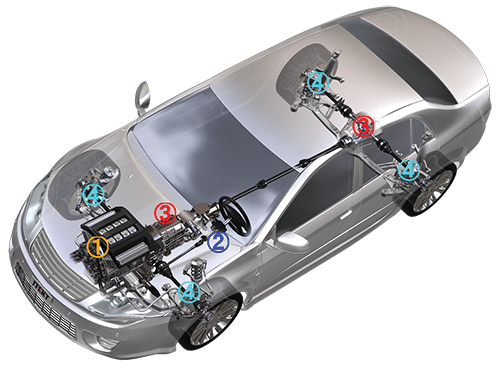
The importance of bearings becomes clearer when examining automobiles. A single car typically contains around 100 bearings, while premium vehicles may use up to 150. These are found in power generation systems such as alternators and turbochargers, steering assemblies, transmission systems, differential gears, wheels, and suspension components.
Without bearings, vehicle rotation would be rough and inefficient, leading to excessive energy loss and rapid mechanical failure. Safe, smooth, and comfortable driving would simply not be possible.
Why Bearings Are Critical to Industry
Bearings form the foundation of modern machinery. Without them, machines would experience increased wear, frequent breakdowns, and reduced efficiency. Industrial productivity would decline, maintenance costs would rise, and technological advancement would slow significantly.
As machines become faster, more compact, and more powerful, the demands on bearings continue to increase. High speeds, heavy loads, extreme temperatures, and harsh operating environments require advanced bearing designs and superior materials.
The Future of Bearing Technology
The evolution of bearing technology focuses on higher precision, longer service life, and performance under specialized conditions. Advances in materials, lubrication systems, surface treatments, and manufacturing processes are shaping the next generation of bearings.
For manufacturers like Spinex Bearings, innovation and quality are essential to meeting these challenges and supporting global industrial growth.
Conclusion: Small Components, Massive Impact
Bearings may operate behind the scenes, but their contribution is immense. By reducing friction, supporting loads, and ensuring smooth rotation, they make modern life possible. As industries evolve and technologies advance, bearings will continue to play a vital role—quietly keeping the world in motion.