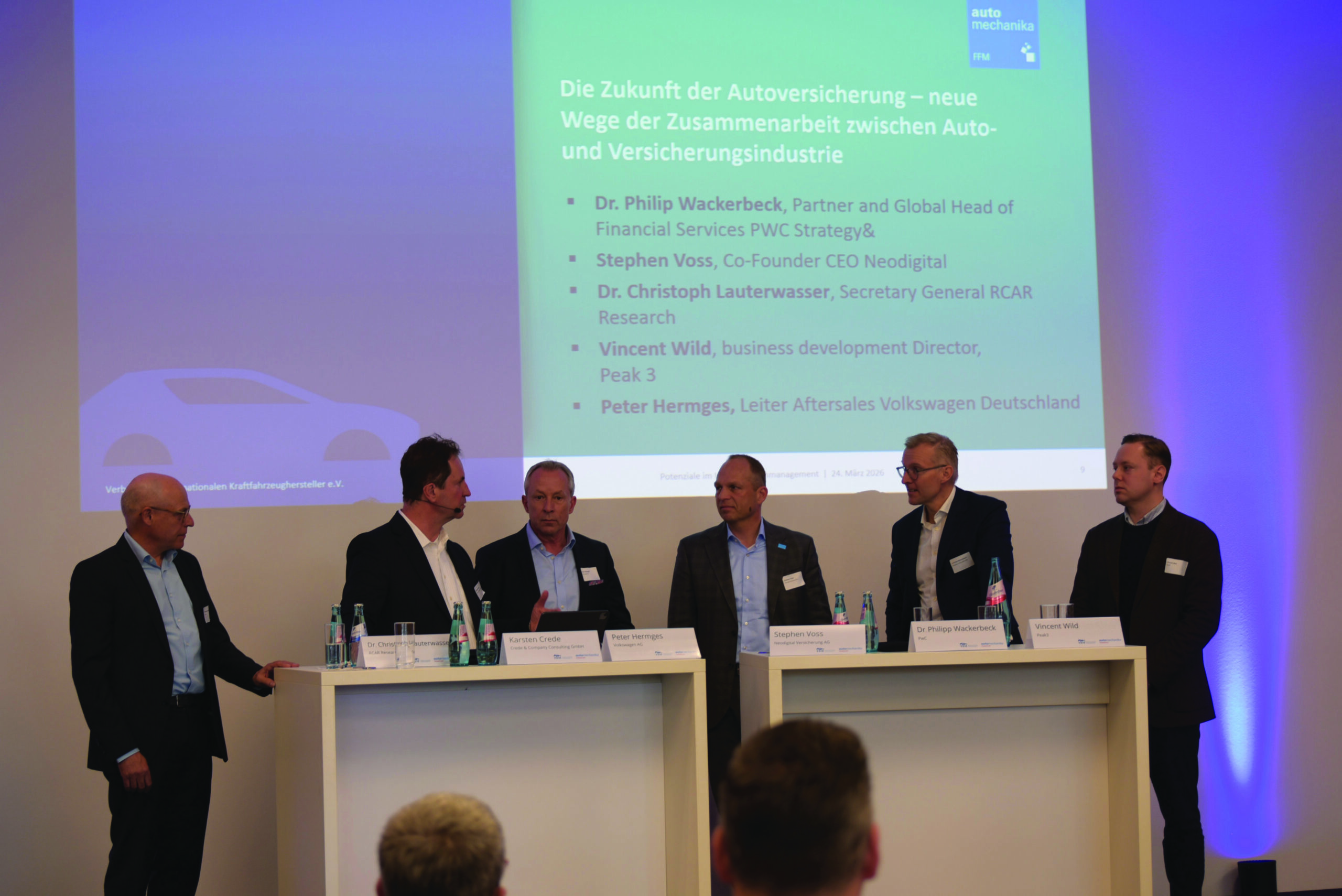
At a time when rising automotive costs are placing increasing pressure on consumers and industry stakeholders alike, a new wave of collaboration is emerging to address one of the sector’s most pressing challenges accident repair management. At a recent expert dialogue organized by the Association of International Motor Vehicle Manufacturers in partnership with Automechanika Frankfurt, industry leaders explored how a digitally integrated ecosystem could transform claims management and restore cost efficiency across the value chain.
Held in Frankfurt am Main, the discussion brought together automotive manufacturers, insurers, service providers, and repair specialists to tackle the growing complexity and expense of vehicle repairs. According to insights shared during the session, more than three-quarters of customers are increasingly uncertain about the affordability of personal mobility. The reasons are clear: advanced vehicle technologies, higher labor costs, and increasingly intricate repair requirements are driving expenses upward.
This shift is not only impacting consumers but also placing strain on insurers and automotive companies. Rising claims costs are challenging the profitability of motor insurance divisions, resulting in higher premiums. At the same time, automakers depend on aftersales revenue streams including spare parts and repair services to fund ongoing technological transformation. However, the lack of a unified, cross-sector approach has historically limited efficiency gains.
The dialogue highlighted a critical solution: the creation of a digital claims management ecosystem. By integrating data across the entire repair process from accident reporting to workshop execution stakeholders can significantly reduce inefficiencies. Experts emphasized that real-time data sharing between insurers, manufacturers, and repair networks can streamline workflows, minimize delays, and enhance transparency.
Industry leaders presented compelling examples of how data integration is already delivering measurable benefits. Seamless connectivity between systems enables faster claims processing, improved repair accuracy, and better cost control. Shared performance indicators such as repair quality, turnaround time, and customer satisfaction were identified as key metrics to align stakeholders and drive accountability.
Another area of focus was the potential for improved collaboration in vehicle design and insurance modeling. By leveraging vehicle data from the development stage, insurers and manufacturers can refine risk assessments and pricing structures, ultimately leading to fairer premiums and more predictable repair costs.
Despite the promise of digital transformation, challenges remain. Fragmented process chains, delays in spare parts availability, and inconsistent repair information continue to hinder efficiency. However, participants agreed that speed is the most critical factor in reducing overall costs not just in workshops, but also in associated expenses such as rental vehicles and administrative processes.
Looking ahead, Automechanika Frankfurt 2026 will serve as a key platform for advancing these discussions. With a strong focus on automation, robotics, and integrated service models, the event is expected to showcase next-generation solutions that could redefine accident repair management.
As the automotive industry navigates a complex and rapidly evolving landscape, one message is clear: collaboration, powered by digital innovation, will be essential to ensuring sustainable, customer-friendly mobility in the years to come.
For more info :
automechanika.messefrankfurt.com