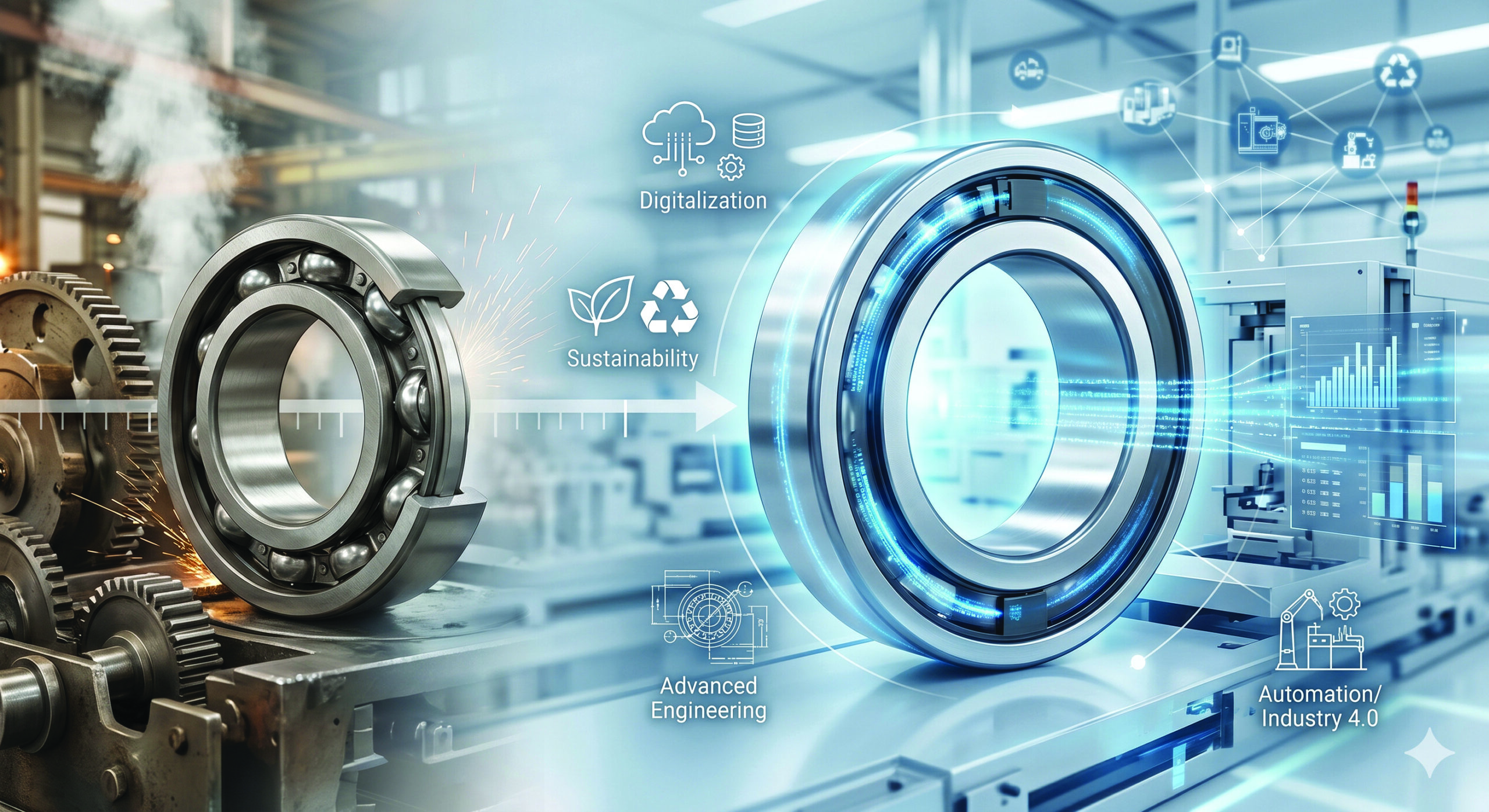
The global bearing industry long regarded as the silent backbone of industrial machinery is undergoing a profound transformation. From enabling the earliest phases of mechanization to supporting today’s high-speed, precision-driven systems, bearings have always played a pivotal role in industrial progress. Now, the sector is stepping into what many experts describe as its “next industrial era,” defined not by incremental improvements, but by a convergence of digitalization, sustainability, and advanced engineering.
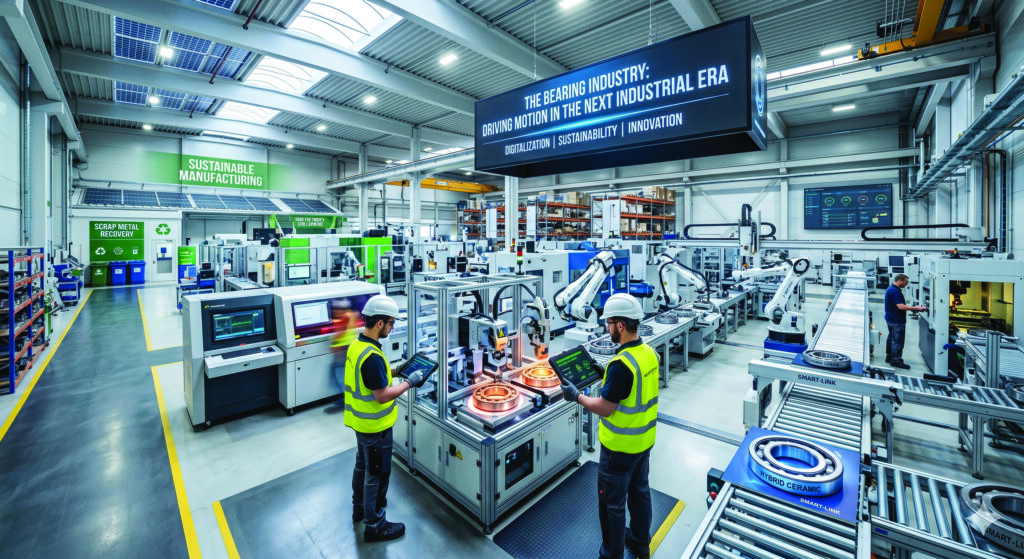
At the core of this transition is the rapid integration of smart technologies. Bearings are no longer passive mechanical components; they are evolving into intelligent systems embedded with sensors capable of real-time monitoring and predictive maintenance. This shift is helping industries reduce downtime, improve efficiency, and extend equipment life cycles key priorities in an increasingly competitive manufacturing landscape. The rise of automation and Industry 4.0 frameworks is accelerating this trend, making smart bearings an essential part of connected factories.
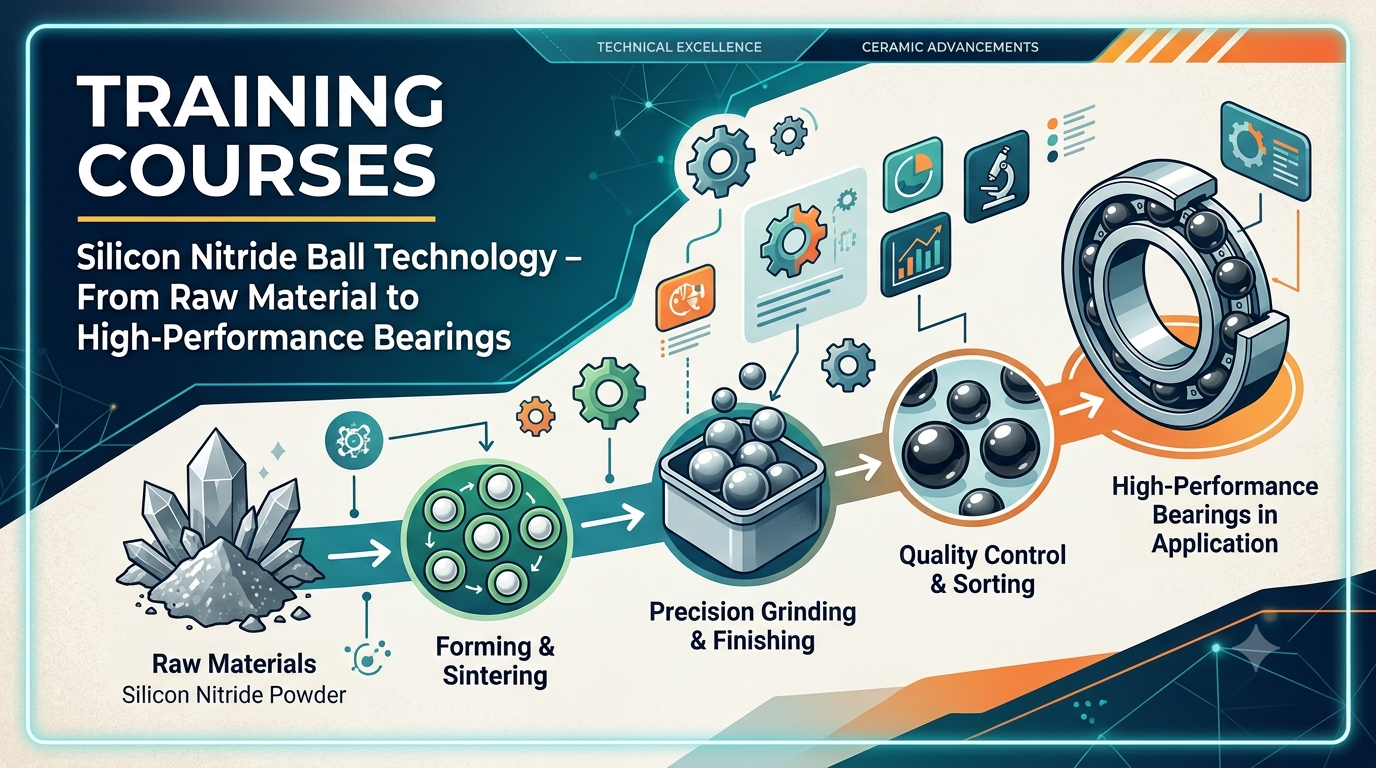
Another defining pillar of this new era is the advancement of materials and design innovation. Manufacturers are investing heavily in high-performance materials such as ceramics and composites, which offer greater durability, reduced friction, and improved thermal resistance. These innovations are particularly critical for high-demand applications such as electric vehicles, aerospace systems, and renewable energy installations, where performance margins are tight and reliability is non-negotiable.
Sustainability is also reshaping the industry’s priorities. With increasing global pressure to reduce carbon footprints, bearing manufacturers are focusing on energy-efficient designs, eco-friendly materials, and longer product lifecycles. The push toward greener solutions is not only regulatory-driven but also market-led, as customers demand products that align with environmental goals. This has led to the development of lubrication-free and low-friction bearings that significantly reduce energy consumption in machinery.
Economically, the industry is on a steady growth trajectory. Global demand for bearings continues to rise, fueled by expanding sectors such as automotive, construction, and industrial automation. Markets in Asia-Pacific particularly India and China are emerging as major growth engines due to strong manufacturing bases and increasing investments in infrastructure and technology.
However, the journey into this new industrial era is not without challenges. Volatility in raw material prices, supply chain disruptions, and the need for continuous innovation are placing pressure on manufacturers. To remain competitive, companies must adopt agile strategies, invest in research and development, and embrace digital transformation at scale.
Ultimately, the bearing industry’s evolution reflects a broader shift in global manufacturing.
What was once a component-focused sector is becoming a technology-driven ecosystem, where intelligence, sustainability, and customization define success. As industries worldwide demand smarter, cleaner, and more efficient solutions, bearings once invisible heroes are taking center stage in shaping the future of motion.