
DEMAGNETIZATION ing Mirco Ronci,
Excogita CEO
In an era where industrial performance is defined by precision, reliability, and efficiency, the bearing manufacturing sector stands at the forefront of technological evolution. Bearings often unseen yet indispensable play a critical role in industries ranging from automotive and aerospace to healthcare and renewable energy. As global demand intensifies for higher performance and longer service life, manufacturers are turning toward advanced engineering processes and intelligent automation to redefine quality standards. At the heart of this transformation lie two pivotal innovations: advanced cold heading technologies for rolling elements and next-generation demagnetization systems. Together, they are reshaping how bearings are designed, produced, and optimized for the future.
The modern bearing industry is undergoing a paradigm shift driven by the need for enhanced efficiency, reduced friction, and cost-effective production. Rolling elements such as steel balls and rollers are fundamental to bearing performance, directly influencing durability and operational stability. Achieving high precision in these components is no longer optional it is a necessity.
Cold heading has emerged as a cornerstone process in the production of rolling elements. Unlike traditional machining methods, cold heading enables near-net shape formation, minimizing material waste while maximizing productivity. This process ensures consistent geometry and surface integrity, which are critical for downstream operations such as heat treatment and finishing. Recent advancements in cold heading machinery have further elevated its capabilities, allowing manufacturers to achieve exceptional dimensional accuracy and high-speed production without compromising quality.
Modern cold heading systems are equipped with sophisticated monitoring and control technologies. Real-time process monitoring, defect detection, and automated sorting mechanisms have become integral features, ensuring zero-defect production environments. These innovations not only reduce rejection rates but also enhance traceability and operational reliability. The integration of closed-cutter technology and modular machine designs further improves efficiency, enabling longer production runs with minimal downtime.
Another significant advancement lies in feeding and setup mechanisms. Traditional spring-based feeding systems often lead to inconsistencies due to load variations over time. In contrast, pneumatic feeding systems offer precise pressure control, ensuring stable and reliable material flow. This results in improved dimensional consistency, reduced wear and tear, and higher overall machine uptime. For manufacturers, these improvements translate into lower operational costs and increased competitiveness in a demanding global market.
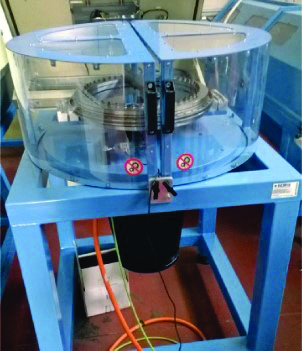
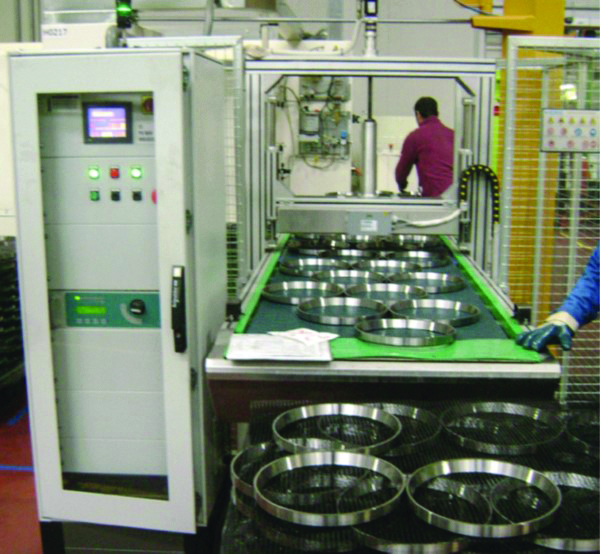
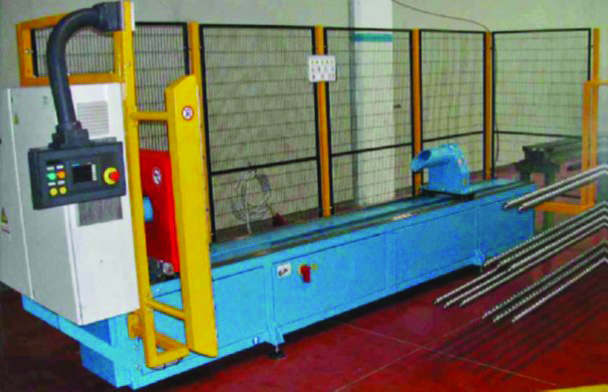
While precision forming is critical, maintaining the integrity of finished components is equally important. This is where advanced demagnetization technologies play a vital role. During manufacturing processes such as machining, grinding, and heat treatment, components often become magnetized due to exposure to magnetic fields. Residual magnetism can lead to several issues, including contamination by metallic particles, uneven surface treatments, and increased tool wear.
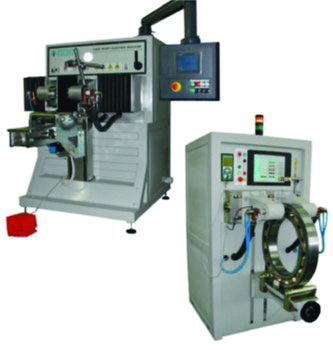
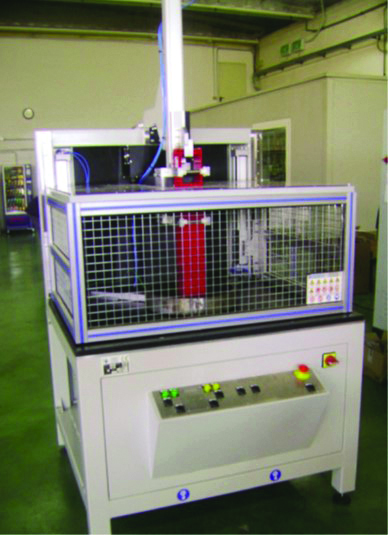
Innovative demagnetization systems now enable manufacturers to eliminate residual magnetism down to the core of components, achieving levels as low as 2 Gauss. This level of precision is particularly crucial in industries such as aerospace, where strict quality standards must be met. By using low-frequency magnetic fields and advanced algorithms, these systems ensure deep penetration and effective demagnetization, even in thick or hardened materials.
One of the most transformative aspects of modern demagnetization technology is its integration into production processes. Instead of treating demagnetization as a separate step, manufacturers can now incorporate it directly into operations such as induction heating or hot riveting. This eliminates the need for additional handling and processing stages, significantly reducing production time and logistical costs.

For example, in the hot riveting process used to assemble bearing cages, demagnetization can be applied within milliseconds after heating. This seamless integration not only improves efficiency but also ensures consistent product quality. By removing intermediate steps, manufacturers can optimize workflows, reduce manpower requirements, and enhance overall productivity.
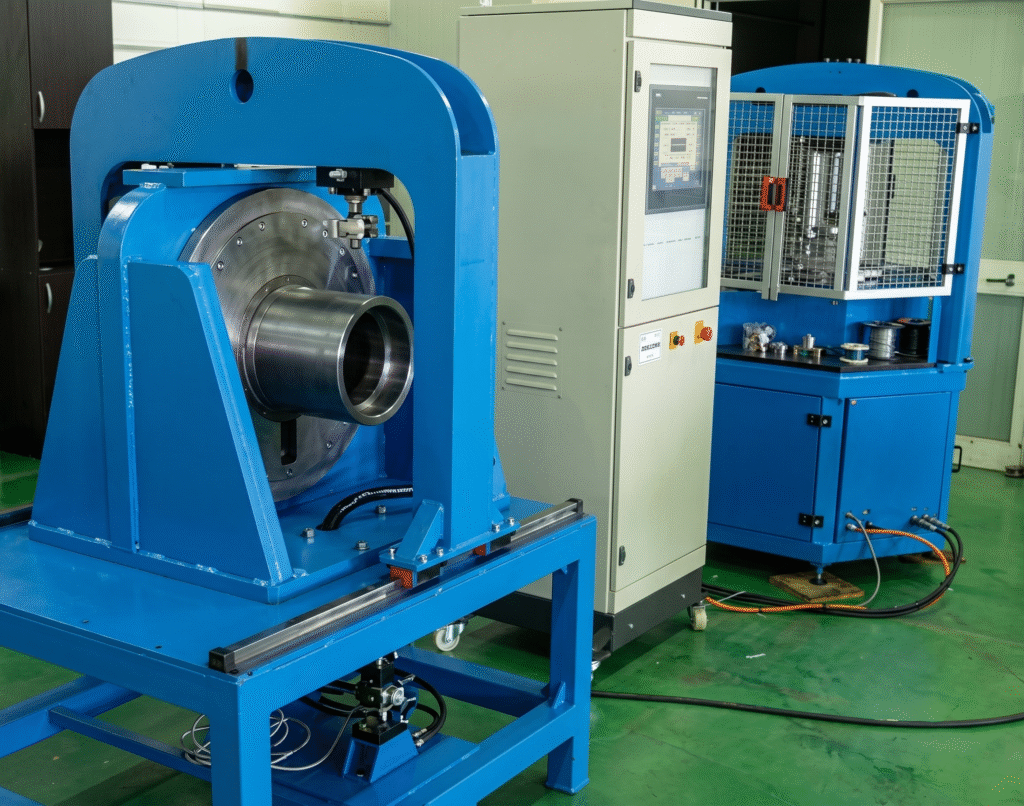
Beyond production, testing and quality assurance have also evolved to meet the demands of modern applications. Advanced test benches now enable comprehensive evaluation of bearing performance, including measurements of torque, stiffness, clearance, and noise levels. These systems can simulate real-world operating conditions, providing valuable insights into product behavior under load and extreme environments.
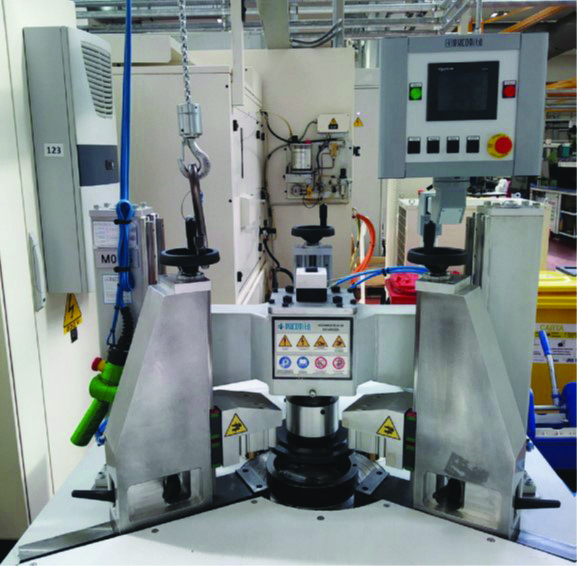
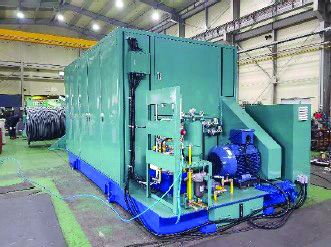
The ability to conduct such detailed analyses is crucial for industries where reliability is non-negotiable. Whether in high-speed railway systems, electric vehicles, or wind turbines, bearings must perform flawlessly under demanding conditions. By leveraging advanced testing technologies, manufacturers can ensure that their products meet stringent quality standards and deliver consistent performance throughout their lifecycle.
Another emerging trend in the industry is the focus on lifecycle management and sustainability. Refurbishment and modernization of existing machinery offer cost-effective alternatives to new investments, extending equipment life while improving performance. Upgrading legacy systems with modern technologies not only enhances productivity but also aligns with sustainable manufacturing practices by reducing waste and resource consumption.
Looking ahead, the future of bearing manufacturing will be shaped by several key factors. The rise of electric mobility, renewable energy, and industrial automation is driving demand for high-performance bearings capable of operating under increasingly complex conditions. This, in turn, necessitates continuous innovation in manufacturing processes and technologies.

Automation and digitalization will play a central role in this evolution. Smart factories equipped with interconnected systems and data-driven decision-making capabilities will enable manufacturers to achieve unprecedented levels of efficiency and precision. Advanced analytics and predictive maintenance will further enhance operational reliability, minimizing downtime and optimizing resource utilization.
Collaboration between technology providers and manufacturers will also be essential in driving innovation. By combining expertise in engineering, materials science, and digital technologies, industry stakeholders can develop solutions that address emerging challenges and unlock new opportunities.
In conclusion, the bearing manufacturing industry is entering a new era defined by precision engineering and technological innovation. Advanced cold heading and demagnetization technologies are not just improving production processes—they are redefining the standards of quality, efficiency, and sustainability. As industries continue to demand higher performance and reliability, these innovations will serve as the foundation for the next generation of bearing solutions.
The journey toward engineering excellence is ongoing, but one thing is clear: the future of bearing manufacturing will be shaped by those who embrace innovation, invest in advanced technologies, and strive for perfection at every stage of production.
For more inbfo :
www.consulting-trading.com