
Manoj Gupta,
Head-Branding & Communications
National Engineering Industries Ltd.
Industrial technology is undergoing a profound transformation, one that extends far beyond incremental efficiency gains or isolated digital upgrades. In 2026, the convergence of artificial intelligence, electrified systems, and resilient supply chain strategies is reshaping how machines operate, communicate, and evolve. What was once a mechanical ecosystem driven by precision engineering is now becoming an intelligent, adaptive network of interconnected components. From bearings that can “think” to production systems that self-optimize in real time, the future of motion technology is not just automated it is autonomous. This shift is forcing manufacturers, OEMs, and technology leaders to rethink traditional models and embrace a new paradigm defined by intelligence, sustainability, and agility.
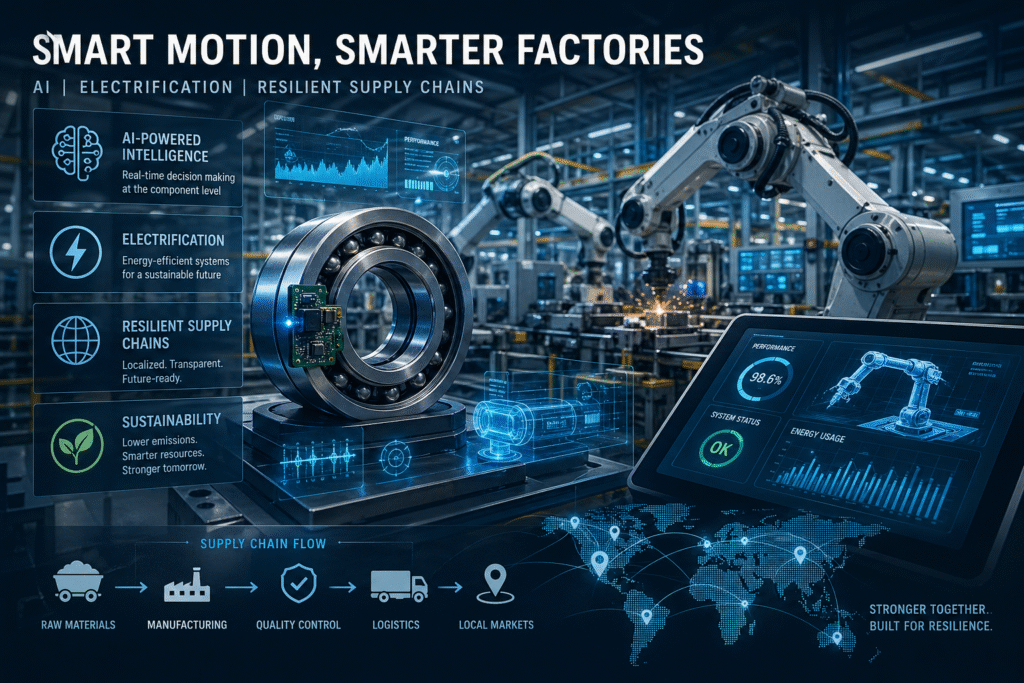
One of the most significant technological shifts redefining industrial systems is the rise of artificial intelligence at the component level. Historically, AI in manufacturing was associated with enterprise-level analytics dashboards, predictive maintenance software, and cloud-based insights. Today, that paradigm has moved closer to the machine. Intelligent components such as bearings, spindles, and servo drives are now embedded with sensors and microprocessors capable of real-time decision-making.
These advancements enable what can be described as “edge intelligence.” Instead of relying solely on centralized systems, machines can now interpret data locally and respond instantly. For example, modern motion components are equipped with MEMS sensors that detect vibration, temperature, and load variations. When combined with on-chip neural processing, these components can differentiate between normal operational patterns and early signs of failure. This evolution marks a transition from condition monitoring to autonomous adaptation machines that not only report issues but actively adjust performance parameters to prevent breakdowns.
Parallel to this intelligence revolution is the accelerating shift toward electrification in industrial motion systems. Traditional hydraulic and pneumatic systems, while powerful, often suffer from inefficiencies, maintenance complexities, and environmental concerns. Electrified drive systems, on the other hand, offer higher precision, energy efficiency, and reduced emissions. As industries push toward sustainability goals, electrification is becoming a strategic imperative rather than a technical upgrade.
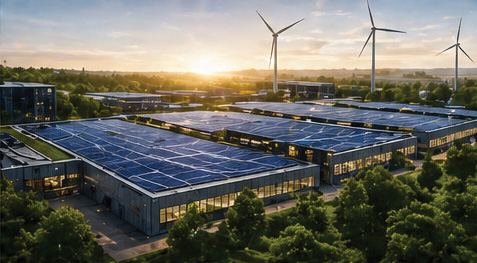
Electric actuators and servo-driven systems are increasingly replacing conventional setups across sectors such as automotive manufacturing, aerospace, and heavy engineering. These systems provide better control, faster response times, and improved integration with digital platforms. More importantly, they align with global decarbonization efforts by reducing energy consumption and enabling cleaner operations. The integration of renewable energy sources into manufacturing facilities further amplifies the benefits of electrified systems, creating a more sustainable industrial ecosystem.
Another defining trend shaping industrial technology is the restructuring of global supply chains. The disruptions of recent years exposed the vulnerabilities of overextended, geographically concentrated manufacturing networks. In response, companies are adopting strategies such as near-shoring and regionalization to build more resilient supply chains. This shift is particularly evident in the production of critical components like bearings and precision parts.
By relocating manufacturing closer to end markets, companies can reduce lead times, improve quality control, and mitigate geopolitical risks. Additionally, digital technologies such as blockchain and advanced analytics are being deployed to enhance supply chain visibility and traceability. These tools allow manufacturers to monitor every stage of production and logistics, ensuring greater transparency and accountability.
Sustainability has also emerged as a central theme in the evolution of industrial technology. Beyond regulatory compliance, it is now a key driver of innovation and competitive advantage. Manufacturers are investing in eco-friendly materials, energy-efficient processes, and circular economy practices. In the context of motion systems, this includes the development of low-friction bearings, advanced lubrication technologies, and recyclable components.
The focus on sustainability is not limited to product design it extends to the entire lifecycle of industrial systems. Predictive maintenance, enabled by AI and IoT, plays a crucial role in reducing waste and extending equipment lifespan. By identifying potential failures before they occur, companies can minimize downtime, optimize resource utilization, and lower their environmental footprint.
Equally important is the integration of digital twins and simulation technologies into industrial operations. Digital twins virtual replicas of physical systems allow engineers to model, test, and optimize performance in a risk-free environment. These tools are particularly valuable in complex manufacturing setups, where even minor inefficiencies can have significant cost implications. By simulating different scenarios, companies can identify optimal configurations, improve process efficiency, and accelerate innovation.
The human factor, often overlooked in discussions about advanced technology, remains critical in this transformation. As machines become smarter, the role of the workforce is evolving from manual operation to strategic oversight. Engineers and technicians are now required to interpret data, manage intelligent systems, and drive continuous improvement initiatives. This shift underscores the importance of upskilling and reskilling programs to prepare the workforce for a technology-driven future.
Collaboration is another key element shaping the future of industrial technology. Partnerships between manufacturers, technology providers, and research institutions are driving innovation and accelerating the adoption of advanced solutions. Open ecosystems and standardized platforms are enabling seamless integration across different systems, fostering a more interconnected industrial landscape.
Looking ahead, the convergence of AI, electrification, and resilient supply chains will continue to redefine the boundaries of what is possible in industrial motion systems. The factories of the future will not only be automated but also intelligent, adaptive, and sustainable. They will operate with minimal human intervention, continuously learning and optimizing to achieve higher levels of efficiency and performance.
For industry leaders, the challenge lies in navigating this complex and rapidly evolving landscape. Success will depend on the ability to embrace change, invest in the right technologies, and build agile organizations capable of responding to new opportunities and disruptions. Those who can effectively integrate intelligence, sustainability, and resilience into their operations will be well-positioned to lead in the next era of industrial innovation.
In conclusion, the transformation of industrial technology is not a distant vision it is happening now. As intelligent components, electrified systems, and resilient supply chains become the new standard, the definition of industrial excellence is being rewritten. The future belongs to those who can harness these trends to create smarter, more efficient, and more sustainable manufacturing ecosystems.