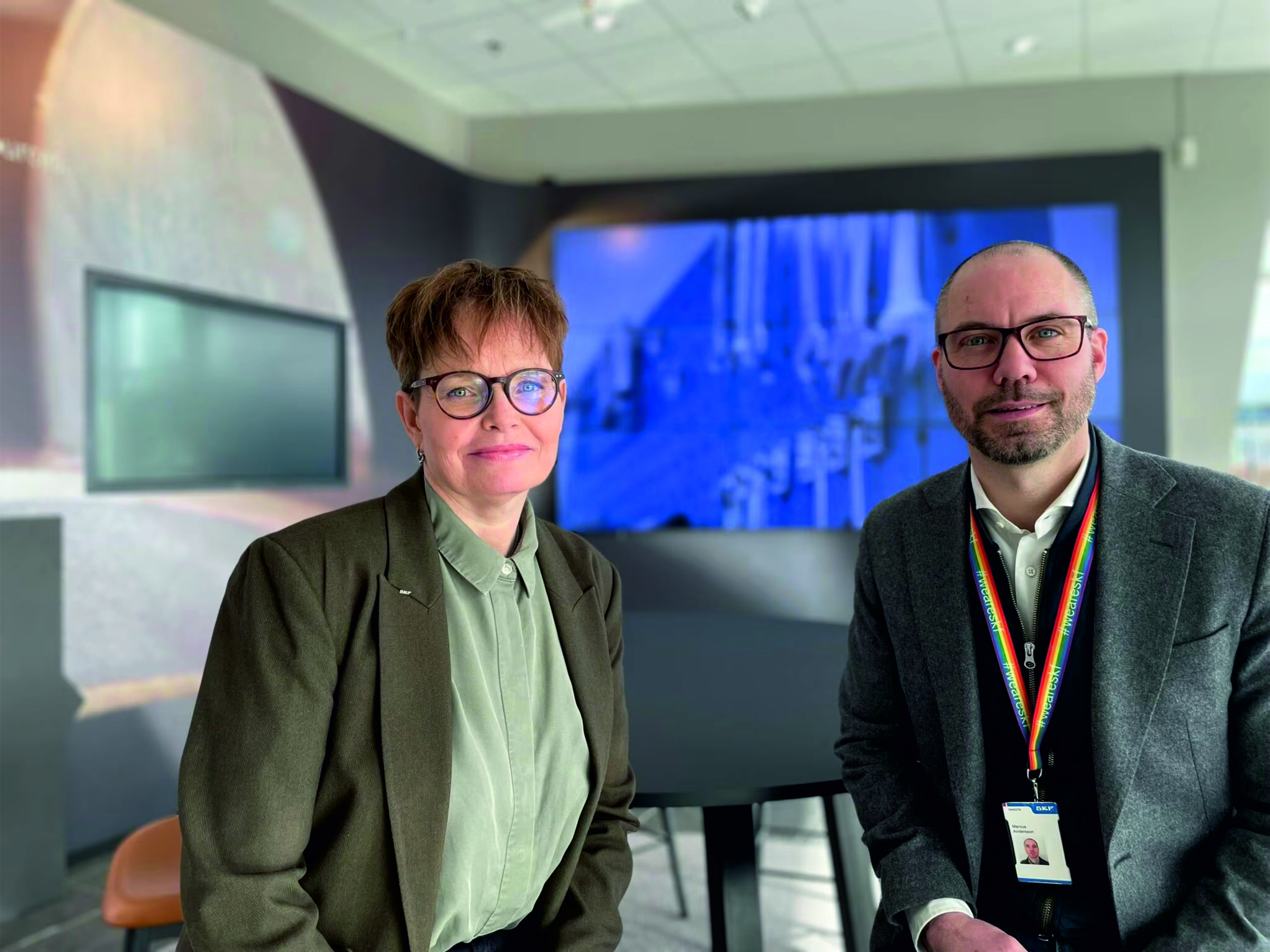
Marica Ersson, Business Development Manager
Marcus C Andersson, Global Manager Laser Metal Deposition
As industries strive to reduce waste, lower carbon emissions, and maximize asset life, manufacturing is entering a new era of circular innovation. SKF Infinium demonstrates how additive manufacturing can transform traditional bearing design, enabling products to be renewed, reused, and continuously upgraded rather than discarded after a single lifecycle.
For decades, industrial manufacturing has largely followed a linear model: produce, use, wear out, and replace. While this approach has delivered productivity and scale, it has also generated significant material waste, energy consumption, and carbon emissions. Today, with sustainability becoming a strategic business priority, manufacturers are seeking ways to extend product life and reduce resource dependency. One of the most promising developments in this transformation is additive manufacturing, and SKF’s Infinium bearing platform is emerging as a pioneering example of how circularity can be embedded directly into product design.
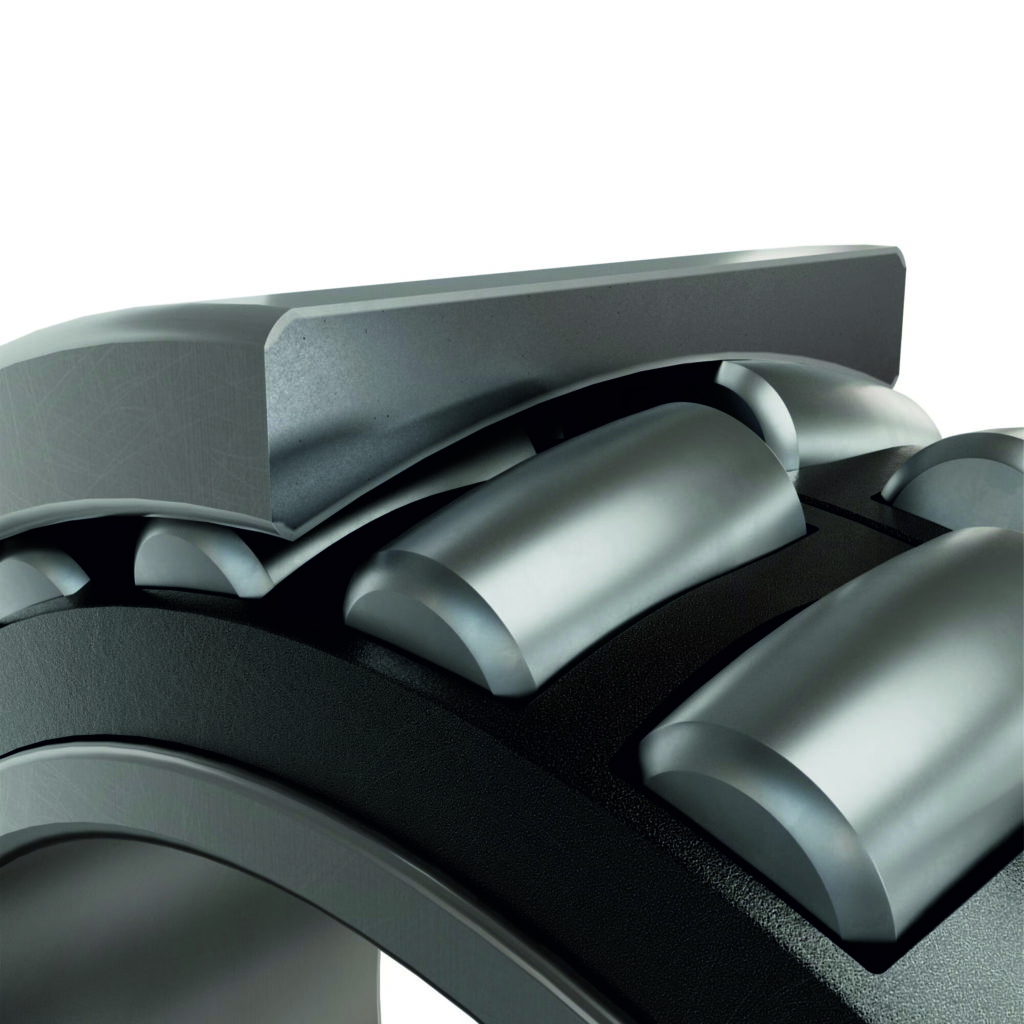
SKF Infinium represents a radical departure from conventional bearing engineering. Instead of designing bearings for a single operational life, SKF has developed a solution that can be repeatedly renewed through advanced additive manufacturing processes. At the heart of this innovation is Laser Metal Deposition (LMD), a technology that allows damaged or worn functional surfaces to be removed and rebuilt with precisely engineered materials. This process effectively gives the bearing a new life without requiring complete replacement.
Traditional bearings are often scrapped once critical surfaces become damaged, even though much of the component remains structurally sound. SKF Infinium challenges this paradigm by introducing a multi-material bearing architecture. The bearing’s core structure acts as a durable carrier, while high-performance functional surfaces can be renewed whenever necessary. This enables the same bearing to remain in service through multiple lifecycle renewals, significantly reducing waste and material consumption.
The implications for industrial sustainability are profound. Manufacturing new bearings requires substantial quantities of steel, energy, and processing resources. By retaining the parent structure and rebuilding only the functional surfaces, SKF can dramatically reduce the demand for virgin materials. Studies and field demonstrations associated with the Infinium concept indicate that lifecycle carbon emissions can be reduced significantly compared with producing entirely new bearings, supporting global decarbonization goals.
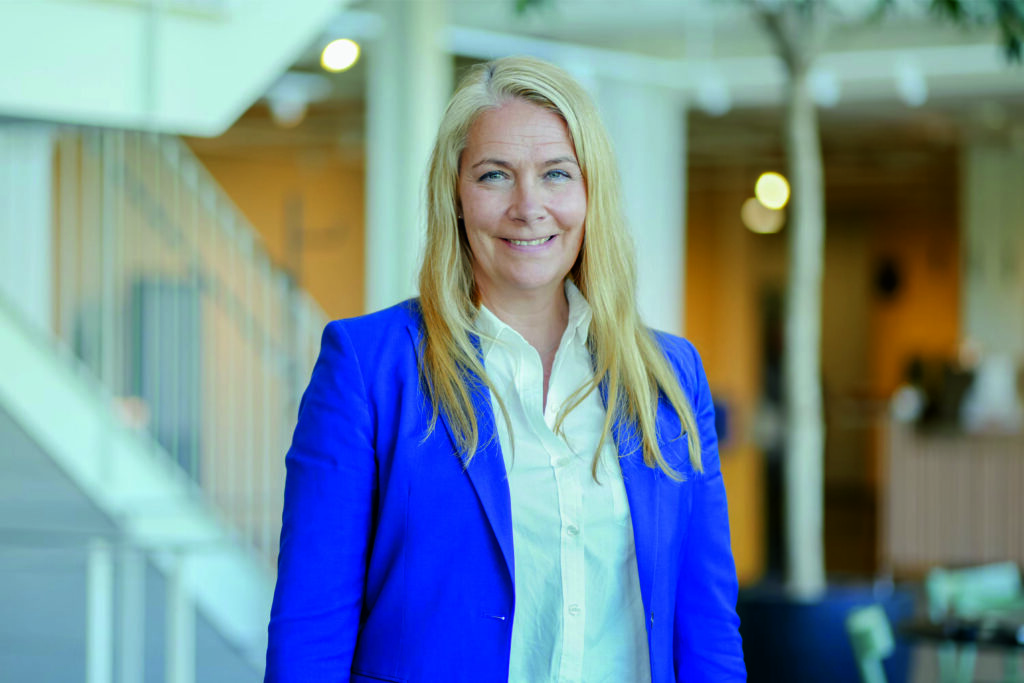
Annika Ölme, SKF’s Chief Technology Officer.
What makes the technology particularly compelling is that sustainability is not achieved at the expense of performance. In many applications, SKF Infinium bearings have demonstrated improved durability and corrosion resistance compared with conventional bearing solutions. Through additive manufacturing, engineers can tailor surface properties to suit specific operating environments. For example, applying specialized stainless-steel alloys enables enhanced corrosion resistance while avoiding the cost of manufacturing an entire bearing from stainless steel.
This flexibility highlights one of additive manufacturing’s greatest strengths: the ability to engineer material properties exactly where they are needed. Rather than relying on a single material throughout a component, manufacturers can create optimized combinations that improve performance, longevity, and cost efficiency. Such an approach opens new possibilities for industries operating in harsh environments, including mining, metals, pulp and paper, marine operations, and heavy industrial processing.
Another significant advantage is the reduction in total cost of ownership. Industrial operators often face substantial expenses associated with equipment downtime, replacement parts, logistics, and maintenance. By extending bearing life and enabling repeated remanufacturing cycles, SKF Infinium reduces replacement frequency and minimizes operational disruptions. The result is a solution that delivers both economic and environmental benefits, proving that circularity can be commercially viable.
The development also reflects a broader shift occurring across manufacturing industries. Additive manufacturing has long been associated with rapid prototyping and low-volume production. Today, however, it is increasingly being deployed for repair, remanufacturing, and lifecycle extension. SKF’s implementation demonstrates how additive technologies can move beyond creating new products and become essential tools for preserving and enhancing existing assets.
Importantly, SKF Infinium aligns with the principles of the circular economy, where products are designed to remain in use for as long as possible through reuse, refurbishment, remanufacturing, and recycling. Rather than viewing end-of-life as the conclusion of a product’s value, the circular model treats it as the beginning of a new lifecycle. SKF’s bearing platform embodies this philosophy by enabling continuous renewal without sacrificing performance or reliability.
As industries face mounting pressure to reduce emissions and improve resource efficiency, innovations such as SKF Infinium offer a glimpse into the future of manufacturing. By combining advanced materials engineering, additive manufacturing, and circular design principles, SKF is demonstrating that sustainability and performance can advance together. The technology not only redefines what a bearing can be but also serves as a powerful example of how industrial products can evolve from disposable assets into continuously renewable resources.
In the years ahead, solutions like SKF Infinium may well become the benchmark for next-generation industrial engineering where products are designed not for a single lifecycle, but for a future of continuous value creation, reduced environmental impact, and truly circular manufacturing.
For more info:
www.skf.com