As cities around the world embrace intelligent transportation systems and connected mobility solutions, Frankfurt is celebrating a remarkable milestone that highlights how far traffic management technology has evolved. In 2026, Frankfurt marks the 100th anniversary of the presentation of its first traffic light, a pioneering innovation that laid the foundation for the sophisticated mobility networks we rely on today.
The story began in April 1926 during the “Traffic Control Show,” a special exhibition held as part of Frankfurt’s Spring Fair. Visitors were introduced to the city’s first traffic light concept, a revolutionary idea at a time when motorized transportation was still developing rapidly. Although Germany’s first traffic light had already been installed in Berlin in 1924, Frankfurt’s own system would not become operational until April 7, 1930, when it was installed at the busy intersection of Kaiserstraße and Neue Mainzer Straße.
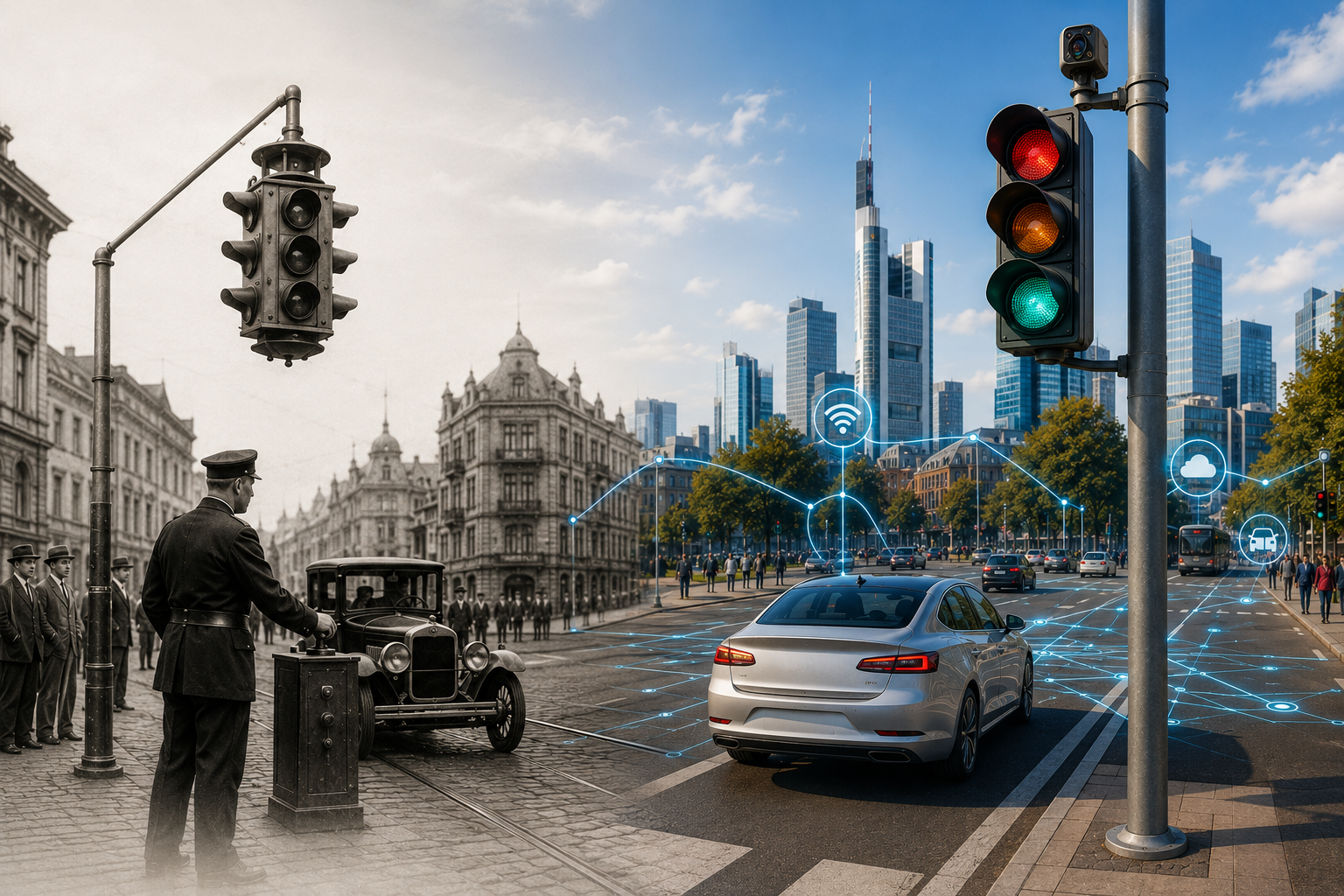
Unlike today’s automated systems, Frankfurt’s first traffic light required manual operation. A traffic police officer standing on the pavement controlled the signal using a switchbox. The novelty of the installation attracted large crowds of curious residents, often making it difficult for the officer to maintain a clear view of traffic conditions. Within a week, authorities upgraded the system with an automatic timing mechanism that changed signals at fixed intervals, marking an important step toward modern traffic control.
Despite its innovative design, the traffic light faced several challenges. Rapidly increasing traffic volumes and a growing number of accidents at the intersection revealed the limitations of early traffic management technology. Furthermore, because the signal had to be mounted above tram lines, it was positioned unusually high, making it difficult for unfamiliar drivers to notice. Eventually, Frankfurt’s Building Authority decided to remove the traffic light in 1937.
The development of traffic management was temporarily halted by World War II, but progress resumed in 1951 when traffic lights returned to Frankfurt’s streets. Over the following decades, technological advancements transformed urban traffic control. By the 1960s, city planners had set an ambitious goal of centrally managing traffic signals across Frankfurt. This vision became reality in 1992 with the inauguration of a modern traffic control center capable of coordinating the city’s growing transportation network.
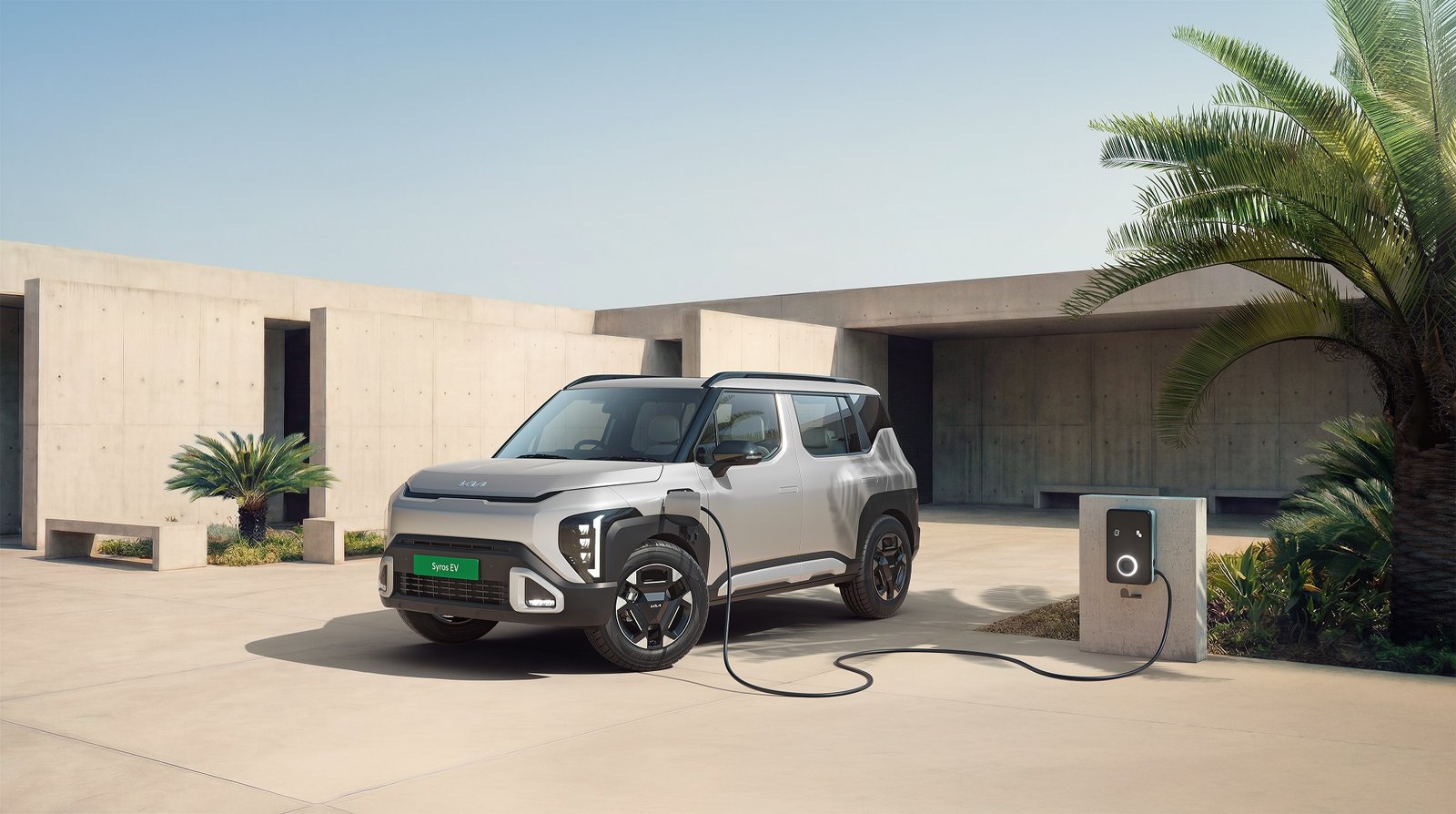
Today, traffic management has evolved far beyond simple signal systems. Modern vehicles are equipped with advanced electronics, sensors, software, and connectivity features that enable real-time communication and smarter decision-making. Connected mobility solutions are helping cities improve traffic flow, reduce congestion, enhance safety, and support sustainability objectives.
This evolution will be showcased at Automechanika Frankfurt 2026, scheduled from September 8–12. The exhibition will bring together leading innovators in automotive electronics, electrical systems, battery technologies, charging infrastructure, thermal management, and e-powertrain solutions. More than 200 exhibitors are expected to present cutting-edge technologies that are shaping the future of transportation.
The centenary of Frankfurt’s first traffic light serves as more than a historical celebration. It reflects a century of continuous innovation in mobility and traffic management. From manually operated signals controlled by a police officer to intelligent, interconnected transportation ecosystems, the journey demonstrates how technology continues to transform the way people and goods move through modern cities.
As the automotive industry accelerates toward a connected and electrified future, Frankfurt’s century-old traffic light stands as a powerful symbol of progress one that continues to inspire the next generation of mobility innovations.
For more info:
automechanika.messefrankfurt.com